

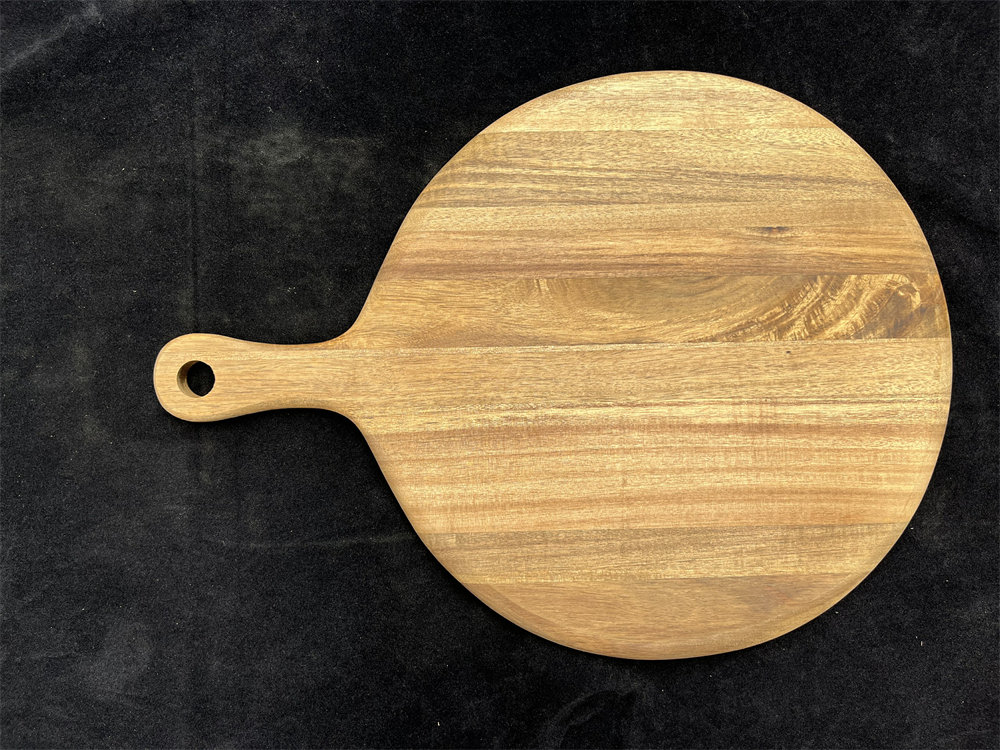
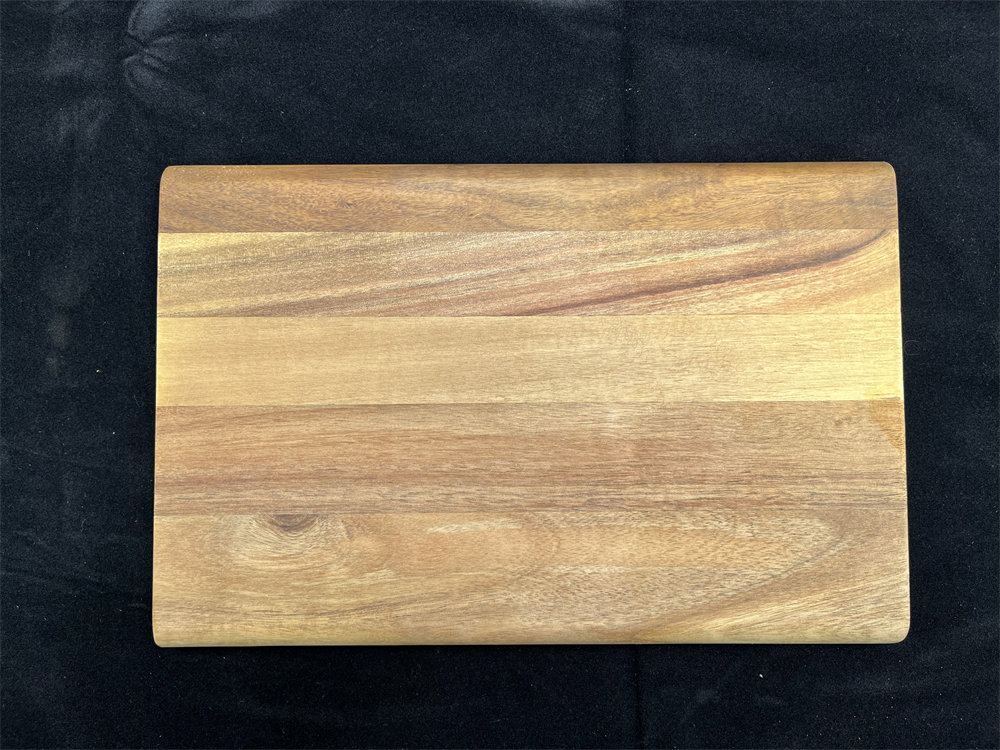
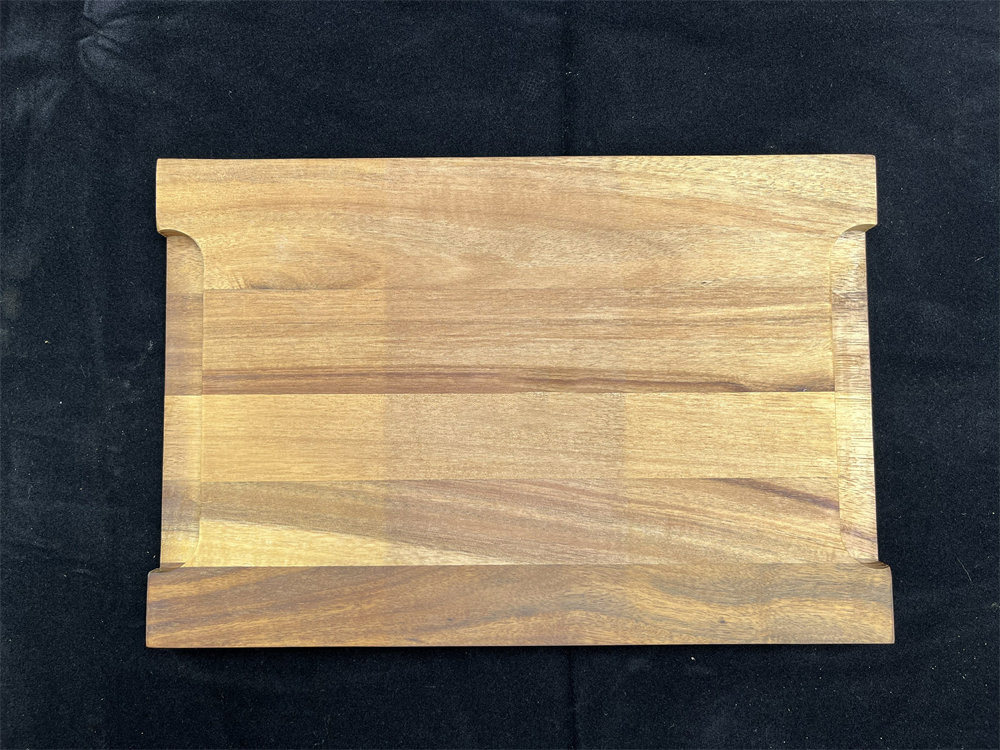
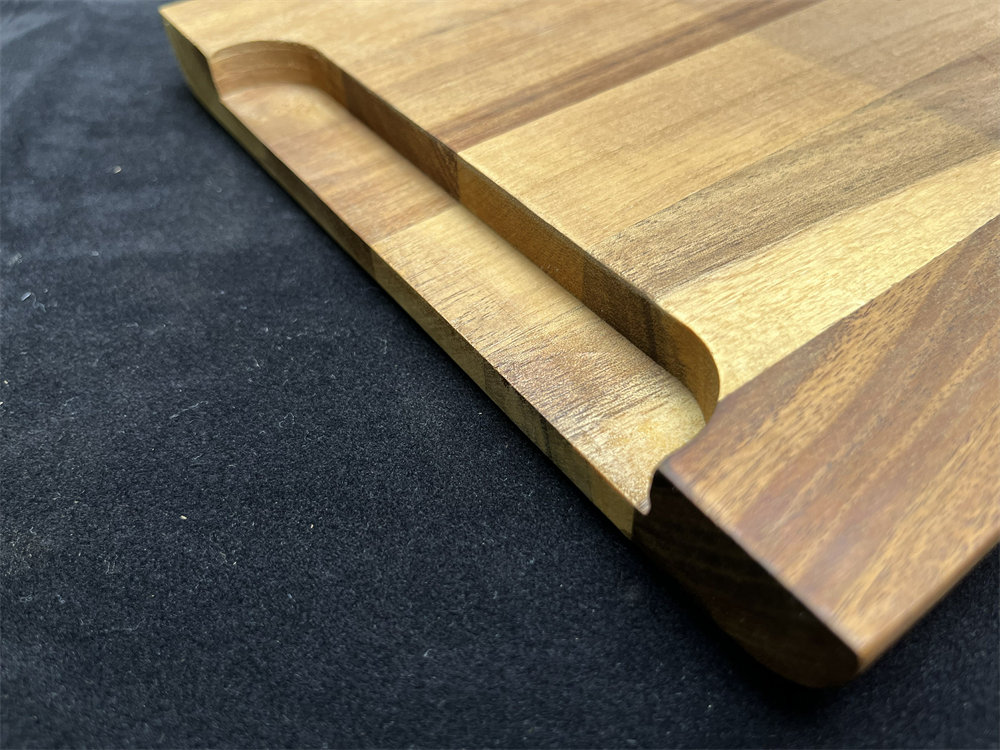
Rectangle Small Wood Cutting Boards
- Product Information
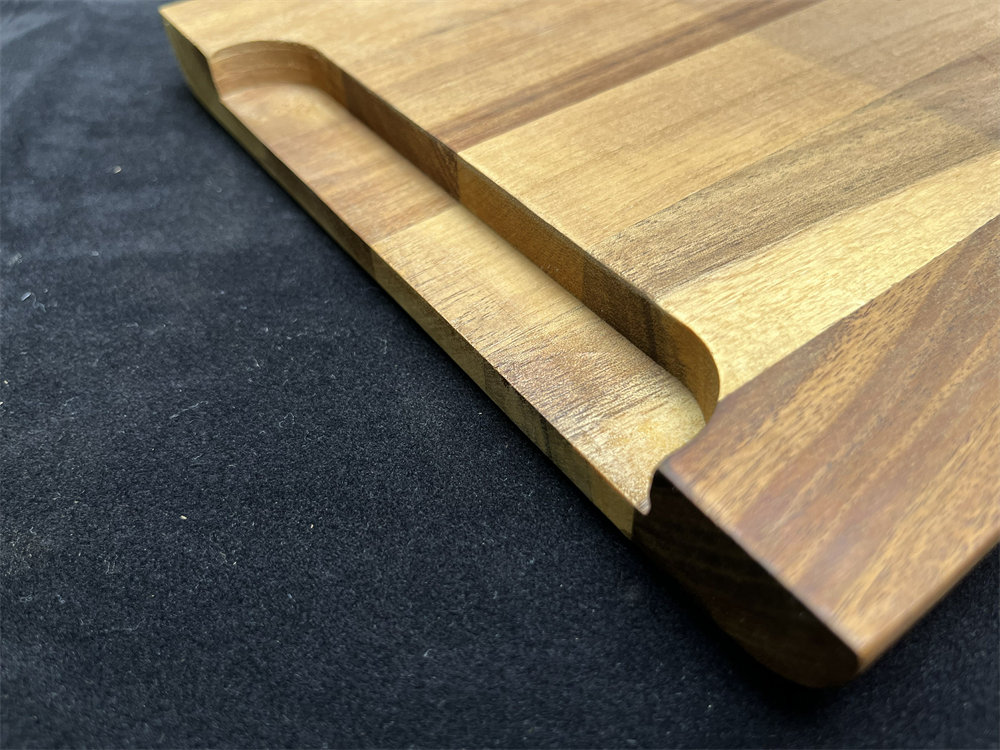
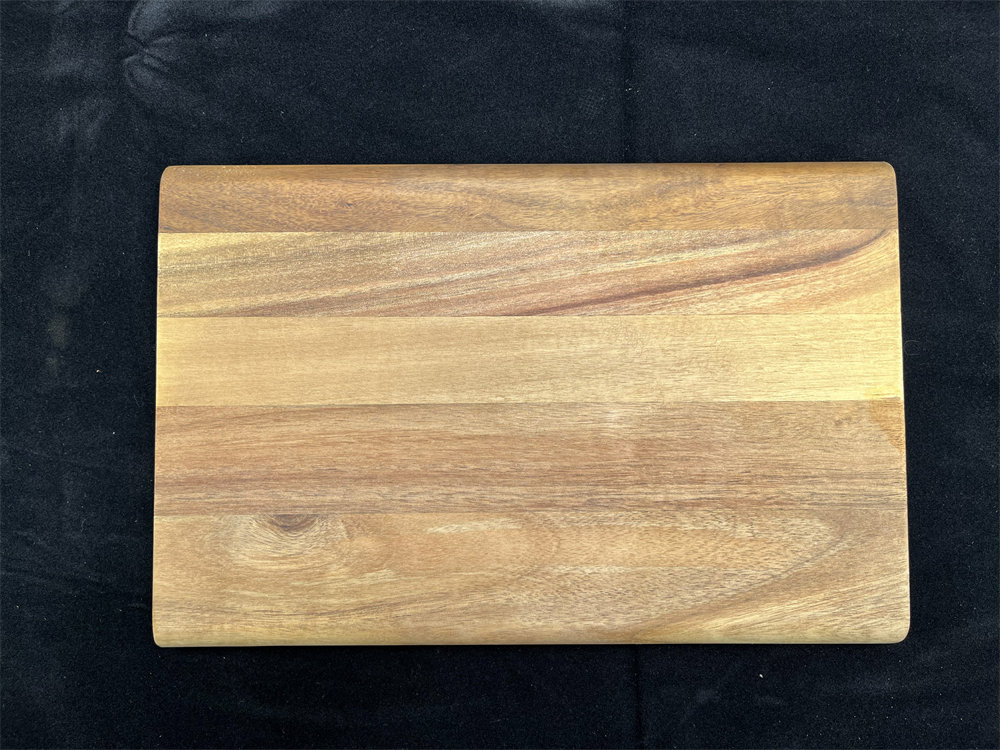
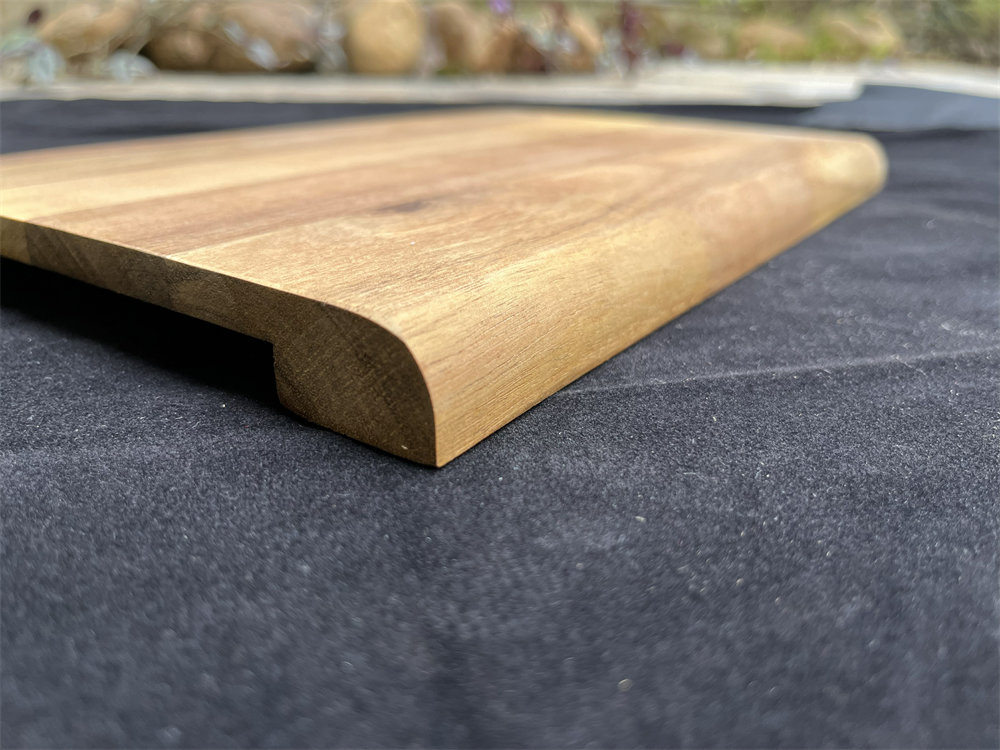
Small wood cutting boards are small-sized kitchen cutting tools made from natural acacia wood. Common dimensions are approximately 40 × 30 × 2 centimeters, balancing everyday cutting needs with efficient use of counter space. These cutting boards are suitable for basic chopping of vegetables and meat, and can also be used as serving trays or simple plating bases. Combining practicality with a natural appearance, they are highly versatile and frequently used tools in modern kitchens.
XinYiLin Technics Factory has been an export-oriented manufacturing enterprise dedicating in the field of wooden product since 2007. Factory is located in Jiangmen of Guangdong, a manufacturing base in China. XinYiLin has more than 15 years manufacture experience for producing wooden kitchenwares such as wooden cutting boards, wooden pizza boards, wooden utensils, wooden pepper mills, wooden rolling pins, wooden coffee sets and so on.
Small Wood Cutting Boards Specifications:
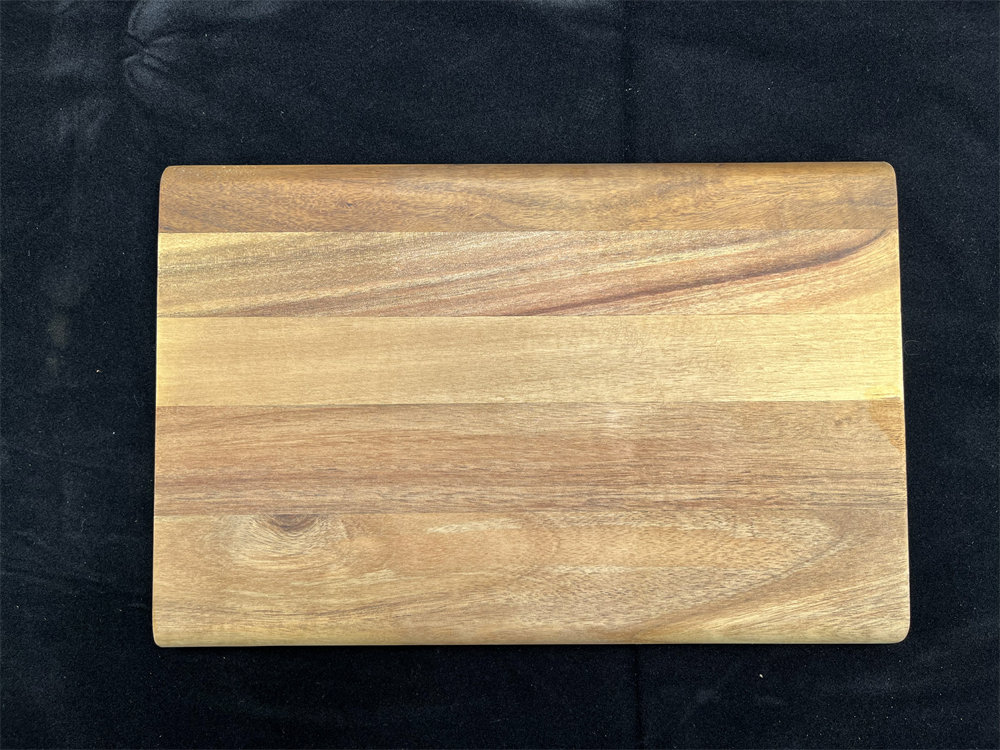
| Model Number: | XYL-WCB003 |
| Product name: | Acacia wood cutting board |
| Material: | Acacia wood |
| Shape: | Rectangle |
| Size: | 40x30x2cm |
| Surface finish: | Lacquer or edible grade oil |
| Color: | Natural |
| Packing: | Poly bag + inner box + export carton |
| Place of Origin: | Guangdong China |
| MOQ: | 300 SETS |
| Lead time: | 30-35 Days |
| Shipping way: | Sea shipment, air shipment or express |
Characteristics of Small Wood Cutting Boards
1 、Acacia Build
The board is made from acacia wood, a dense hardwood with natural grain variation and better working strength than many softwood alternatives. The 2cm board thickness helps improve cutting stability and reduces the thin-board feeling that can affect retail acceptance. For B-end buyers, acacia wood offers a stronger material story for wooden kitchenware supply without relying only on low-price competition.
2 、Surface Finish
Lacquer and edible-grade oil finishes are available, giving procurement teams more flexibility for different sales channels. Edible-grade oil supports a more natural kitchenware direction, while lacquer can provide a smoother sealed appearance for retail display. Finish selection should be confirmed before bulk production because it affects touch, color depth, moisture resistance and final product positioning.
3 、Clean Shape
The rectangular shape is easy for factories, distributors and packers to standardize because it fits cartons, inner boxes and shelf displays more efficiently than irregular shapes. A regular board outline also supports simpler barcode placement, label design and set assembly. For private label buyers, this reduces packing layout issues and makes the product easier to combine with utensils, knives or kitchen gift packs.
Technical process of Small Wood Cutting Boards
1 、Wood Selection
Acacia wood is sorted before production to control grain direction, color range and board stability. Boards with obvious cracks, weak knots or unstable sections are removed early. For B-end buyers, this step helps reduce retail rejection, visible batch differences and quality complaints in kitchenware wholesale, gift set assembly and hospitality supply.
2 、Moisture Drying
The selected wood is dried to a stable moisture condition before cutting and shaping. Proper drying helps reduce warping, cracking and deformation after shipment. For distributors and retail buyers, moisture control is important because unstable boards can create after-sales issues during storage, shelf display or long-distance export transportation.
3 、Size Cutting
The dried acacia wood is cut into the required 40 x 30 x 2cm rectangular board size. Accurate cutting helps the board match inner boxes, export cartons, barcode labels and gift set layouts more easily. For bulk buyers, stable sizing reduces packing adjustment, mixed-size sorting and warehouse receiving problems after delivery.
4 、Surface Finishing
Each board is sanded to smooth the surface, edges and corners before finish treatment. Buyers can choose lacquer or edible-grade oil according to market positioning. Good sanding and finish control help improve hand feel, retail appearance and inspection pass rate, reducing complaints about rough edges, uneven coating or poor surface presentation.
5 、Inspection Packing
Before shipment, the boards are checked for size, flatness, edge smoothness, grain appearance, finish coverage and visible defects. Qualified boards are packed with poly bag, inner box and export carton. For B-end buyers, this process helps protect the boards during sea, air or express shipment and keeps repeat orders closer to the approved sample standard.
Application scenarios of Small Wood Cutting Boards
1 、Kitchenware Distribution
Kitchenware distributors can supply these Small Wood Cutting Boards to retailers, household goods channels and cooking accessory sellers as a compact wooden board item. The natural acacia wood appearance gives buyers a clear visual value, while the standard rectangle size supports easier carton planning. For distributors, this board can become a repeatable stock item rather than a one-time custom shape.
2 、Hospitality Purchasing
Hotels, serviced apartments and catering suppliers can use these boards in kitchen starter kits, breakfast service areas, small preparation stations or managed pantry setups. The 40 x 30cm size is practical for controlled service spaces where large boards may create storage problems. For hospitality procurement teams, consistent size and packing help simplify replacement purchasing across multiple sites.
3 、Gift Set Assembly
Gift set suppliers can include this board in wooden kitchenware boxes, cooking kits, holiday food accessory packs and branded promotional bundles. The rectangular shape is easier to place inside box layouts, while the natural acacia grain improves presentation value. For gift buyers, sample fitting with the final box design is important before bulk production to reduce packaging adjustment work.
4 、Retail Chain Supply
Retail chain buyers can use this product for kitchen accessory shelves, seasonal household promotions and private label cooking tool sections. The MOQ, lead time and export carton packing support planned purchasing instead of irregular small-batch sourcing. For retail procurement, stable board size, surface finish and carton labeling help reduce receiving errors and shelf planning problems.
5 、Food Service Supply
Food service suppliers can provide these boards to cafés, bakeries, small restaurants and catering operators for light preparation, serving support and back-of-house organization. The board size is compact enough for limited workspaces and storage racks. For B-end buyers serving food operators, the main value is a wooden board that is easy to reorder, easy to pack and suitable for repeated commercial handling.
Small Wood Cutting Boards Buyer Notes:
Board Size Match
Before ordering, buyers should confirm whether the 40 x 30 x 2cm size fits the target shelf, gift box, catering kit or kitchen accessory pack. A small board is easier to ship and store, but the sales channel must match its intended use. For retail and hospitality buyers, sample checking with the final packaging or usage set can prevent size mismatch after bulk production.
Finish Selection
Buyers should decide between lacquer and edible-grade oil before sampling. These finishes create different surface feel, color depth and maintenance expectations. For private label supply, the chosen finish should match the brand’s product positioning and care instructions. Changing finish after sample approval can affect color consistency, carton labeling and repeat order comparison.
Wood Grain Review
Acacia wood has natural grain variation, so each board may not look exactly the same. This should be managed as part of buyer approval instead of treated as a defect after shipment. For retail chains and gift set buyers, the acceptable grain range should be confirmed with sample photos or reference samples before mass production.
Packing Layout
The standard packing includes poly bag, inner box and export carton. Buyers should confirm inner box size, carton quantity, label position and barcode needs before production. For distributors and retail channels, clear packing layout helps reduce warehouse sorting work, relabeling cost and carton receiving errors after arrival.