Warping is one of the most common problems buyers face when sourcing Wooden Cutting Boards. A board that bends or twists not only affects daily use, but also leads to customer complaints, returns, and damaged brand trust. For distributors, retailers, and kitchenware brands, preventing this issue starts long before the product reaches the end user.
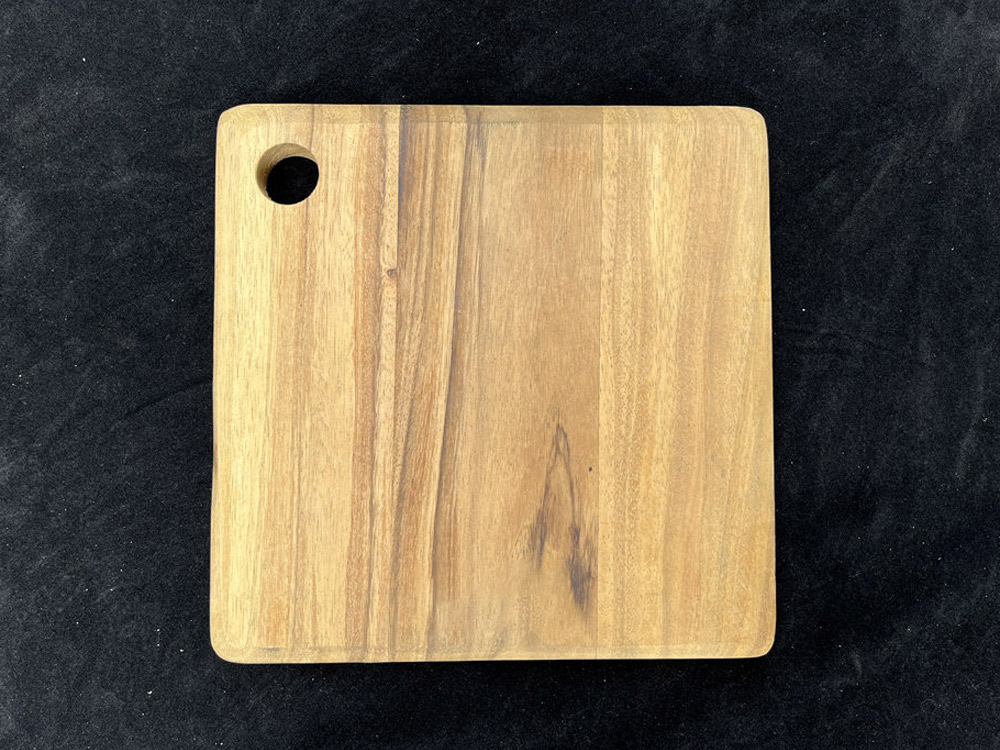
The key lies in material selection, production control, and proper use. A well-made board, such as our natural wood serving and cutting board, is designed to stay stable in real kitchen environments while still offering a clean and natural appearance.
Wood reacts to moisture and temperature. When one side of a board absorbs more moisture than the other, the structure becomes uneven. Over time, this imbalance causes the board to bend.
This is why low-quality boards often warp quickly. If the wood is not properly dried or processed, it cannot handle daily kitchen conditions. For buyers sourcing in bulk, this becomes a serious risk because even a small percentage of warped boards can affect the entire order.
Choosing a stable material is the first step to reducing this problem. A properly made acacia chopping board is often preferred because acacia has a dense structure and better natural resistance to moisture compared to many other woods.
Not all wooden boards behave the same. Some are more likely to warp due to softer structure or poor grain orientation. Dense hardwoods are usually more reliable because they maintain their shape better under changing conditions.
Acacia wood is widely used for cutting boards because it offers a good balance of strength, durability, and natural appearance. Our board uses carefully selected acacia wood to improve stability while maintaining a smooth and consistent surface.
Construction also matters. A board that is properly processed and evenly balanced is less likely to develop internal stress. For B2B buyers, this directly affects product consistency across bulk orders.
Warping often begins during manufacturing. If the wood is not properly dried before shaping, it will continue to release or absorb moisture after production. This leads to deformation during storage or shipping.
A stable production process helps reduce this risk. Proper drying, controlled shaping, and even surface finishing all contribute to a more reliable product. Buyers who focus only on price may overlook this stage, but it is one of the most important factors behind long-term performance.
Consistent moisture control is especially important for wholesale buyers who need uniform quality across large quantities.
Surface treatment plays a key role in protecting wooden boards. A proper finish helps reduce moisture absorption and keeps both sides of the board more balanced.
Our board uses a clean surface finish that supports daily kitchen use while maintaining a natural look. A well-treated surface not only improves durability but also makes cleaning easier, which is important for both home users and commercial kitchens.
For buyers, this detail often influences customer feedback. A board that is easy to maintain is more likely to be reordered.
Even a high-quality board can warp if it is not used properly. End users should avoid leaving the board in water, placing it in dishwashers, or storing it in damp environments.
Instead, the board should be cleaned quickly, dried evenly, and stored in a well-ventilated space. Hanging or standing the board upright helps maintain airflow on both sides, which reduces moisture imbalance.
For distributors and retailers, providing simple care instructions can reduce after-sales issues and improve customer satisfaction.
For B2B buyers, the real challenge is not one board, but thousands. A product that performs well in a sample must also perform the same way in bulk production.
Warping problems often appear when there is inconsistency in material selection or production control. Differences in wood quality, drying levels, or finishing can lead to uneven results across a shipment.
A supplier with stable production capability helps reduce this risk. Buyers looking for long-term cooperation usually focus on consistency, not just initial pricing.
Simple design details can help improve stability. Thickness, edge shape, and overall structure all play a role in how a board reacts to moisture.
A well-proportioned board with balanced thickness is less likely to bend. Rounded edges and smooth surfaces also help reduce stress points. Our board follows a clean and practical design approach, making it suitable for both cutting and serving applications.
This dual-use design is especially valuable for buyers who want to combine kitchen function with food presentation, such as charcuterie or cheese serving.
Preventing cutting boards from warping requires attention at every stage, from material selection to daily use. Stable wood, proper drying, balanced finishing, and correct storage all contribute to a longer-lasting product.
Our acacia wood board is made to handle real kitchen conditions while maintaining a natural appearance and reliable structure. It works well for both food preparation and serving, making it a practical choice for retail and wholesale markets.
If you are sourcing wooden cutting boards and want to reduce quality risks in bulk orders, feel free to contact us. We can help you choose the right material, design, and production solution to match your market needs.