Sourcing custom wooden spoons from a factory is not only about finding a low unit price. For kitchenware wholesalers, retail brands, gift suppliers, restaurant supply companies, and importers, the right wooden spoon should be practical, smooth, durable, safe for kitchen use, and suitable for repeat bulk orders.
A Wooden Cooking Spoon Set is widely used in home kitchens, restaurant kitchens, baking, salad mixing, soup serving, sauce stirring, and gift collections. Compared with plastic or metal utensils, wooden spoons offer a natural look, comfortable grip, and gentle contact with cookware surfaces. For buyers developing a kitchenware product range, custom wooden spoons can also support private label branding, gift packaging, and market-specific design.
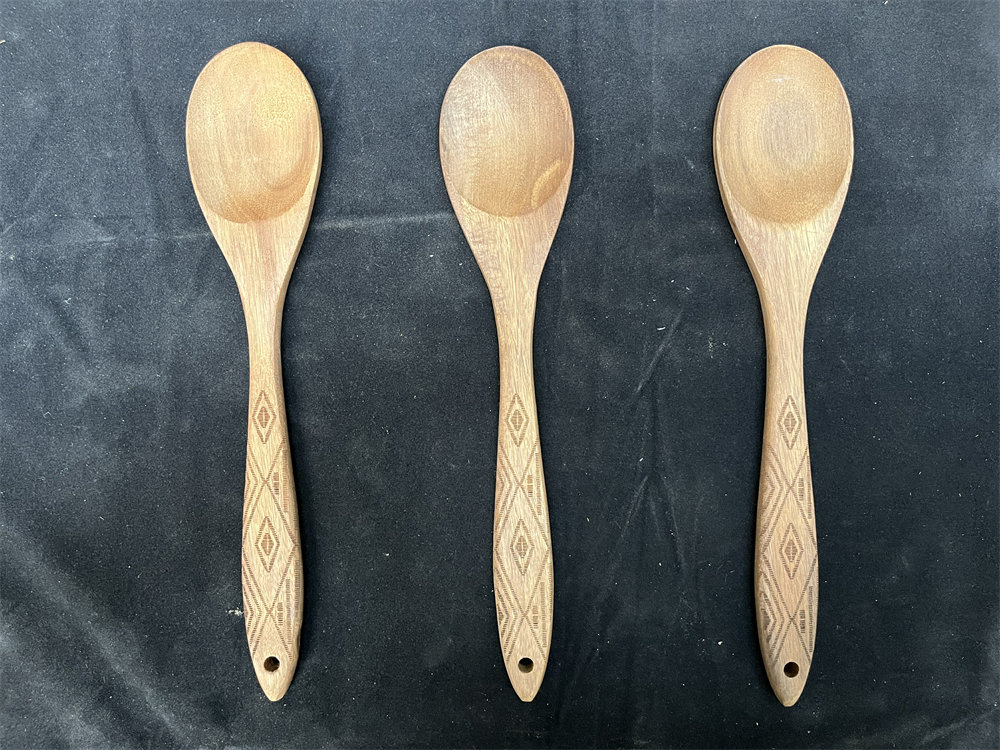
Our Acacia Wooden Cooking Utensil Set is suitable for buyers who need natural wood kitchen tools with smooth finishing, practical shapes, and flexible OEM / ODM customization. It can be used for wholesale supply, retail kitchenware, cooking gift sets, restaurant use, and customized Wooden Utensil collections.
Before sourcing custom wooden spoons, buyers should first define the selling channel. A spoon set for supermarket shelves may need attractive packaging and clear product information. A set for restaurant supply may focus more on durability and daily use. A gift set may require better presentation, logo customization, and elegant packaging.
Different markets also have different preferences. Some customers prefer simple natural wood styles, while others like carved handles, darker wood grain, or mixed utensil sets. For wholesale buyers, understanding the target market helps avoid choosing products that look good in samples but do not sell well in real channels.
A good factory should be able to discuss product use, style direction, order quantity, packaging format, and customization needs before production. This makes the sourcing process more practical and reduces the risk of wrong product positioning.
Wood material affects appearance, strength, hand feel, and long-term use. Acacia wood is a popular choice for cooking utensils because it has natural grain, warm color, and good hardness for daily kitchen work. It also gives the spoon set a more premium look, which is useful for retail and gift markets.
When comparing wooden spoons, buyers should check whether the wood surface is smooth, whether the grain looks stable, and whether there are visible cracks, rough spots, or weak edges. Poor wood preparation may lead to cracking, warping, splinters, or uneven finishing after shipping or storage.
For bulk orders, material consistency is very important. Each spoon does not need to look exactly the same because natural wood has grain differences, but the overall quality level should remain stable across the order.
Wooden spoons should not only look attractive. They must also work well in real cooking. Spoon bowl depth, handle length, edge thickness, weight, and grip comfort all affect user experience.
A cooking spoon used for stirring sauce may need a smooth rounded edge. A serving spoon may need a deeper bowl. A long handle can protect hands from heat during cooking. A hanging hole can make storage easier. For kitchenware retailers, these small design details can become selling points.
When sourcing custom wooden spoons, buyers can consider:
Spoon length
Spoon bowl depth
Handle width
Hanging hole design
Carved handle pattern
Surface smoothness
Set combination
Our acacia wooden cooking utensil set can support different kitchen applications, from stirring and serving to mixing and daily cooking. For custom orders, spoon styles can be adjusted according to market needs.
Surface finish is one of the most important quality points for wooden utensils. Customers will touch the spoon before using it, so rough sanding or sharp edges can quickly reduce product value. A smooth spoon feels more comfortable and looks more professional.
Good surface finishing also helps reduce splinters and improves the overall kitchen-use experience. The handle should be easy to hold, and the spoon bowl should be smooth enough for contact with food. For gift or retail products, the finish must look clean under store lighting and product photography.
Buyers should request samples before confirming bulk orders. Sample checking helps confirm the sanding quality, logo effect, handle design, and overall appearance before mass production.
Custom wooden spoons are often used for private label kitchenware, promotional gifts, restaurant merchandise, or retail collections. Logo and packaging are therefore important parts of the sourcing process.
Common customization options include:
Laser logo on the handle
Laser engraving gives wooden spoons a natural branded look. Buyers should confirm logo size, placement, and depth before production.
Custom paper sleeve
A paper sleeve can make the spoon set look more suitable for retail display while keeping packaging cost reasonable.
Gift box packaging
Gift boxes are suitable for holiday sales, kitchenware sets, corporate gifts, and premium retail channels.
Custom labels and barcodes
For importers and retailers, barcode labels, carton marks, and product information can help warehouse and sales management.
Good packaging should protect the wooden spoons and also support the product’s selling position. For export orders, packaging strength should be checked carefully to reduce damage during transport.
A reliable factory should not only make a sample, but also keep bulk orders consistent. For wooden spoon sets, quality control should cover material selection, moisture control, sanding, logo processing, packaging, and final inspection.
Before placing a large order, buyers should confirm:
Sample approval process
Production lead time
Bulk order capacity
Surface inspection standard
Logo confirmation method
Packaging protection
Repeat order consistency
This is especially important for importers and wholesalers. If each batch has different size, finish, or packaging quality, it becomes harder to build a stable product range.
Price matters in wholesale sourcing, but it should not be the only standard. A cheaper wooden spoon may have rough finishing, unstable wood, poor packaging, or weak logo quality. These issues may increase complaints, returns, and resale pressure.
A better sourcing decision should compare total value. Buyers should look at material quality, surface finish, practical design, packaging support, customization ability, delivery stability, and communication efficiency.
For B2B orders, stable quality and repeat supply often matter more than a small price difference. A good factory can help buyers reduce sourcing risk, improve product presentation, and support long-term sales.
Sourcing custom wooden spoons from a factory requires attention to material, spoon shape, surface finish, hand feel, logo customization, packaging, quality control, and long-term supply stability. A good wooden spoon set should be practical for cooking, attractive for retail, and consistent for wholesale orders.
Our acacia wooden cooking utensil set is suitable for kitchenware wholesale, restaurant supply, private label projects, gift sets, and OEM / ODM customization. If you are planning a custom wooden spoon order, send us your spoon style, logo requirements, packaging idea, quantity, and target market. We can help review the details and suggest a suitable wooden utensil solution for your order.