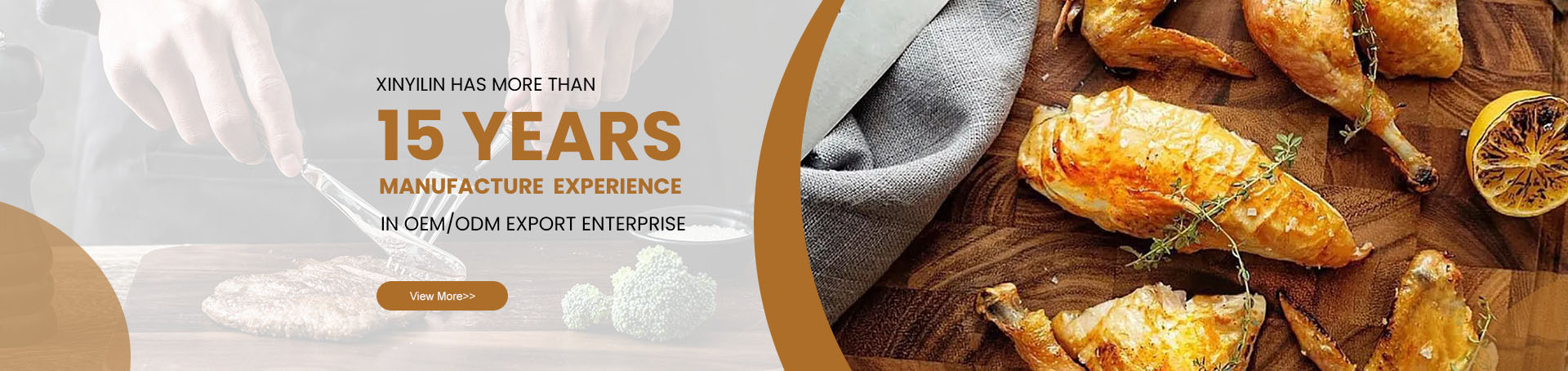
There is no single material that automatically makes the healthiest cutting board. A clean, intact board used with good food-separation habits is safer than a neglected board made from a supposedly superior material. Wood and nonporous surfaces can both be used for food preparation. For a reliable export supplier of food-safe Wooden Cutting Boards, the relevant product details include a smooth surface, suitable finish and clear care instructions.
Raw meat, poultry and seafood can leave microorganisms on a work surface. Bread, fruit and salad ingredients may be eaten without another cooking step, so moving them onto the same unwashed board creates an avoidable cross-contamination risk.
Using separate boards is one of the clearest habits a kitchen can adopt:
One board for raw meat, poultry and seafood
Another board for fruit, vegetables, bread and ready-to-eat food
Color, shape or engraved markings can help users remember which board serves each purpose. The material itself cannot correct poor separation.
The USDA advises washing cutting boards with hot, soapy water after each use, rinsing them with clean water and drying them. It also notes that consumers may use wood or nonporous materials, while nonporous surfaces are generally easier to clean.
Wooden boards should not be left soaking in a sink. Long exposure to water can encourage swelling, warping or cracking. After washing, both sides should be allowed to dry rather than leaving one wet face flat against the counter.
A food-contact board also needs a suitable finish. Our wooden cutting board range uses product options described with food-safe oil or wax finishes. Buyers can click to view the available wooden cutting boards.
Every cutting board wears. Plastic can develop deep cuts; wood can become rough, split or heavily scored. Once grooves become difficult to clean, the board should be resurfaced when appropriate or replaced.
This is why the healthiest cutting board is not necessarily the newest-looking one. A glossy board with damaged joints or deep hidden cuts may be less practical than a simple board that is smooth, clean and properly dried.
Users should inspect:
Deep grooves that trap residue
Cracks along edges or joints
Persistent odors
Areas that remain damp
Peeling or damaged surface treatments
Warping that makes the board unstable
As a reliable export supplier of food-safe wooden cutting boards, our responsibility concerns the board before it reaches the kitchen: wood preparation, machining, sanding, finishing and production consistency.
We have more than 15 years of experience in wooden kitchenware and support product development from design to delivery. Depending on the program, buyers can discuss board size, handle design, hanging holes, juice grooves and food-contact surface treatment.
Care instructions still need to travel with the product. Good production and good household hygiene work together; neither replaces the other.
Send us the intended food-preparation use, dimensions, construction, finish, branding, packaging and order quantity. As a reliable export supplier of food-safe wooden cutting boards, we can recommend relevant acacia products and discuss care information for the package. Click here to describe the range and request a quotation.