Wood is often the best all-purpose chopping board material because it balances knife comfort, durability, food preparation performance, natural appearance, and serving versatility.
Wood provides a firm but comparatively forgiving surface for knives. It does not feel as harsh as stone or very hard synthetic materials during repeated chopping.
The cutting experience depends on:
Wood species
Grain direction
Surface smoothness
Board thickness
Moisture condition
Knife sharpness
Cutting pressure
Acacia wood is a popular choice because it combines attractive grain, good hardness, and natural durability. A properly finished surface can support both kitchen preparation and table presentation.
Wood is generally considered more knife-friendly than stone or glass. Regular chopping on a suitable wooden surface can reduce unnecessary impact on the blade edge.
A dull knife is more difficult to control and may require additional cutting force. A stable, knife-friendly board supports more comfortable preparation.
The board should still be maintained. Deep cuts, uneven areas, and excessive dryness can affect cutting performance.
Acacia wood is widely used for kitchenware because it is durable, visually attractive, and naturally resistant to moderate moisture exposure.
Its advantages include:
Distinctive natural grain
Good hardness
Attractive color variation
Suitable structural stability
Good durability
Compatibility with food-safe finishes
Acacia should still be properly dried and finished. No wood species can eliminate the need for cleaning, drying, and regular maintenance.
Our acacia wood cutting board range includes vegetable boards, large paddle boards, serving boards, bread boards, steak boards, and custom acacia board designs.
Yes. Wooden boards can be used for raw meat, cooked food, vegetables, bread, and fruit when cleaning and storage are handled properly.
Many kitchens use separate boards for different food categories. This is a practical way to reduce cross-contamination risk.
After preparing raw meat, the board should be washed thoroughly, dried completely, and stored in a ventilated place. The same board should not be used for ready-to-eat food without proper cleaning.
Wooden boards can move directly from preparation to the dining table. Their natural texture gives cheese, bread, pizza, steak, and appetizers a more attractive presentation.
This dual-purpose design creates additional value for:
Home kitchens
Restaurants
Cafes
Gourmet retailers
Gift shops
Catering companies
Food brands
A wooden board is therefore more than a cutting tool. It can become part of the dining experience.
A Reliable Export Supplier of Wooden Cutting Boards should explain the material, production, finishing, packaging, and quality inspection process.
Important questions include:
Which wood species are available?
How is moisture controlled?
What finish is used?
Are edges polished?
Can dimensions be customized?
Can packaging be private labeled?
Are samples available?
How are products protected during shipment?
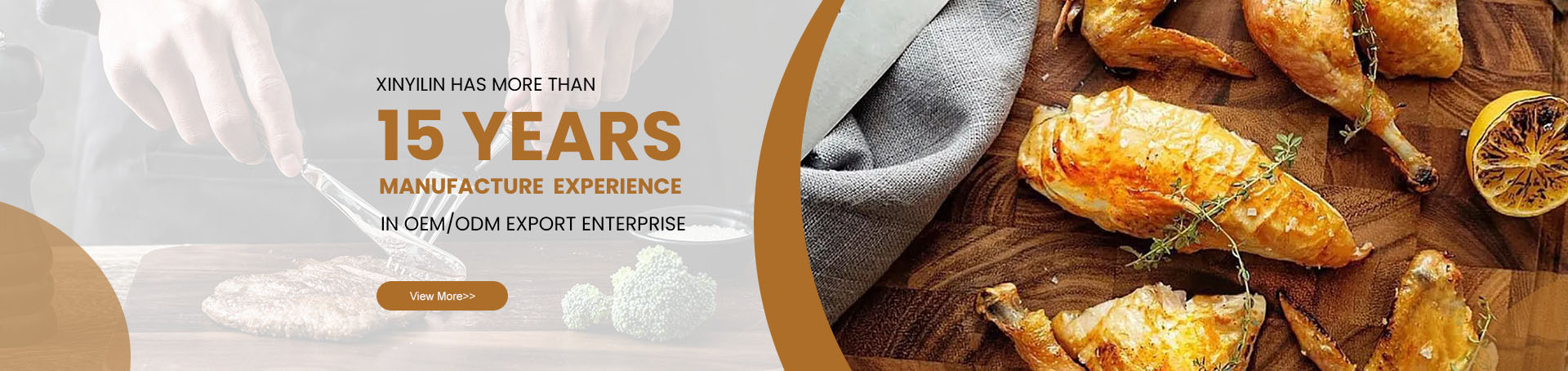
Our factory was established in 2007 and has more than 15 years of experience in wooden kitchenware manufacturing. Production covers design, processing, finishing, packaging, and delivery.
An OEM ODM Manufacturer of wooden cutting boards can customize:
Board size
Board thickness
Wood species
Shape
Handle structure
Juice groove
Finger slot
Hanging hole
Logo engraving
Retail packaging
Customized designs can help brands create a more recognizable kitchenware collection instead of relying on generic products.
Wooden boards are sensitive to impact, moisture, and pressure during transportation. Packaging should protect corners, surfaces, handles, and decorative details.
For a Bulk Order of wooden chopping boards, the buyer should confirm:
Individual packing
Inner protection
Carton strength
Loading quantity
Moisture protection
Product labeling
Shipping marks
Good packaging reduces damage risk and helps retailers receive products in display-ready condition.
Provide the preferred wood species, dimensions, thickness, shape, functional features, finish, logo, packaging, and quantity through the online contact service. Samples can be evaluated before a customized or wholesale production order.