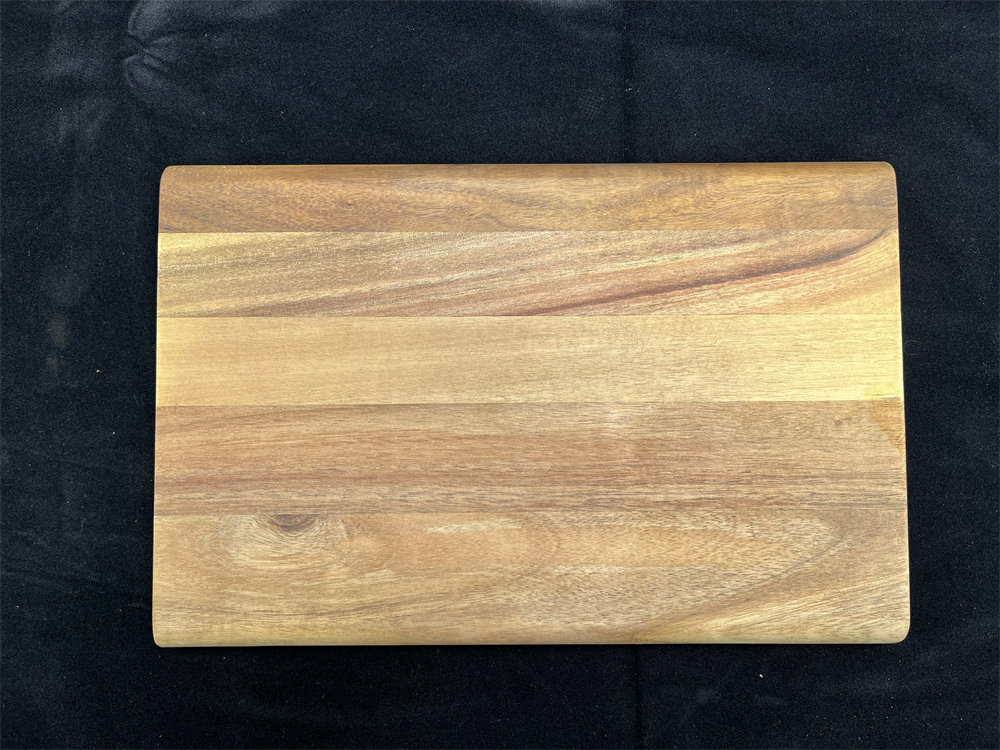
wood cutting boards are durable, hygienic, and favored in many kitchens for their natural antibacterial properties. However, when moisture remains on the surface or penetrates deep into the wood grain, mold can develop. Removing mold from a wood cutting board requires careful, methodical cleaning to ensure the board becomes safe for food use again without damaging the natural structure of the wood. Understanding why mold appears, how to remove it effectively, and how to prevent it from returning helps keep your kitchen environment healthy. XINYILIN produces high-quality Wooden Cutting Boards crafted with dense, durable wood structures designed to resist moisture absorption. Learning proper mold removal not only restores a clean surface but also extends the lifespan of wooden boards such as the XINYILIN wooden cutting board series.
Mold thrives in damp, dark, and porous environments. Wood naturally absorbs moisture, and when washing water, food juices, or environmental humidity remain trapped in the grain, mold spores can develop. Cutting boards used for fruits, vegetables, meat, or bread may retain microscopic organic residue that also contributes to mold growth if the board is not dried thoroughly. Ventilation, cleaning habits, and storage conditions all influence mold formation.
Wooden boards from XINYILIN are made from carefully selected materials to minimize excessive water absorption, but even premium boards require proper care. Removing mold promptly prevents deeper penetration into the wood fibers.
Before cleaning, determine whether the mold is superficial or deeply embedded. Surface mold appears as dark or fuzzy patches and usually responds to cleaning agents. Mold that has penetrated deeply may appear as dark streaks or spots within the wood grain. If the mold reaches deeper layers, more intensive cleaning or sanding may be required.
In severe cases where mold covers a large area or the board emits an unpleasant odor even after cleaning, replacement may be safer. High-quality boards like those from XINYILIN are crafted with dense hardwoods that resist deep mold penetration, making them easier to restore.
Several safe cleaning techniques can be used to eliminate mold without damaging the board. Different methods suit different levels of mold severity.
White vinegar naturally kills many types of mold. Its mild acidity penetrates the surface without harming the wood.
Steps:
Apply undiluted white vinegar to the moldy areas.
Allow it to sit for several minutes.
Scrub gently with a stiff brush.
Rinse thoroughly and dry completely.
This method works well for early-stage mold.
Baking soda improves scrubbing power while remaining gentle on wood fibers.
Steps:
Mix baking soda with water to create a thick paste.
Apply the paste to mold-stained areas.
Scrub with a brush until the surface appears clean.
Rinse and allow full air drying.
This approach helps remove stains and odors.
Hydrogen peroxide is effective against deeper mold penetration.
Steps:
Pour 3% hydrogen peroxide over the moldy areas.
Let it bubble for several minutes as it reacts.
Scrub with a brush and repeat if needed.
Rinse and dry thoroughly.
Hydrogen peroxide helps lighten dark mold discoloration.
If cleaning solutions cannot remove mold embedded deep in the grain, sanding becomes necessary.
Steps:
Use fine-grit sandpaper to remove the upper layer of wood.
Sand until the discoloration disappears.
Clean the surface afterward and re-oil the board.
XINYILIN boards often respond well to sanding due to their dense, durable wood material.
| Method | Best For | Wood Safety | Effectiveness |
|---|---|---|---|
| Vinegar | Light surface mold | Very safe | Moderate |
| Baking soda | Mild to moderate mold | Safe | Moderate to high |
| Hydrogen peroxide | Deep mold or stains | Safe if rinsed | High |
| Sanding | Severe mold | Wood-safe when done correctly | Very high |
This comparison helps users choose the most effective and appropriate approach.
Thorough drying is a crucial step after mold removal. Wood retains moisture easily, and mold can return if the board remains damp. Drying should occur in a well-ventilated area, standing the board upright to allow air circulation on both sides. Avoid storing the board until it is completely dry.
XINYILIN wooden cutting boards are engineered with stable structure to minimize warping during drying, but proper handling remains essential.
Cleaning agents and sanding may strip the board of its natural protective oils. Re-oiling restores moisture resistance and helps prevent future mold growth.
Steps:
Apply food-grade mineral oil or board conditioning oil.
Spread evenly with a clean cloth.
Allow the oil to absorb for several hours.
Wipe off any excess.
Oiling is especially important for cutting boards made from natural hardwoods, such as those crafted by XINYILIN.
Preventive habits are essential to keeping wood cutting boards healthy. The main causes of mold—moisture retention, food residue, and poor ventilation—can be controlled with proper care.
Effective prevention habits include:
Drying the board immediately after washing
Standing the board upright instead of laying it flat
Avoiding prolonged contact with water
Cleaning with vinegar periodically to kill mold spores
Storing in a ventilated, low-humidity area
High-quality XINYILIN boards maintain stability and resist deep moisture penetration when properly maintained, making mold prevention more effective.
Although mold removal is usually successful, some boards may require replacement. If mold repeatedly returns despite thorough cleaning, deep penetration may have compromised the wood’s structure. A persistent bad odor or visible cracks also indicate that the board may no longer be food-safe.
Investing in a well-crafted board like the XINYILIN wooden cutting board provides longer life expectancy, and proper care extends performance significantly.
Removing mold from a wood cutting board involves evaluating the level of growth, choosing an effective cleaning method, and drying the board thoroughly afterward. Whether using vinegar, baking soda, hydrogen peroxide, or sanding for deeper mold, the key is to clean carefully while preserving the board’s structure. Preventive habits keep mold from returning, ensuring the board remains safe for food use. XINYILIN’s wooden cutting boards, crafted with durable materials and precise workmanship, provide long-lasting performance when maintained correctly. With proper mold removal and care, your wooden cutting board can remain clean, functional, and reliable for years.
Previous: How To Make Wood Utensils?