
Wooden Utensils are essential tools in both professional and home kitchens, valued for their natural feel, durability, and compatibility with non-stick cookware. Unlike metal utensils that may scratch surfaces or plastic utensils that can deform under heat, properly crafted wooden tools provide long-lasting performance and enhance cooking comfort. The process of making high-quality wood utensils involves careful material selection, precise shaping, sanding, and food-safe finishing. At XINYILIN, we specialize exclusively in acacia wood utensils and beech wood utensils, each crafted to professional standards. Our full range can be viewed through the wooden utensil collection.
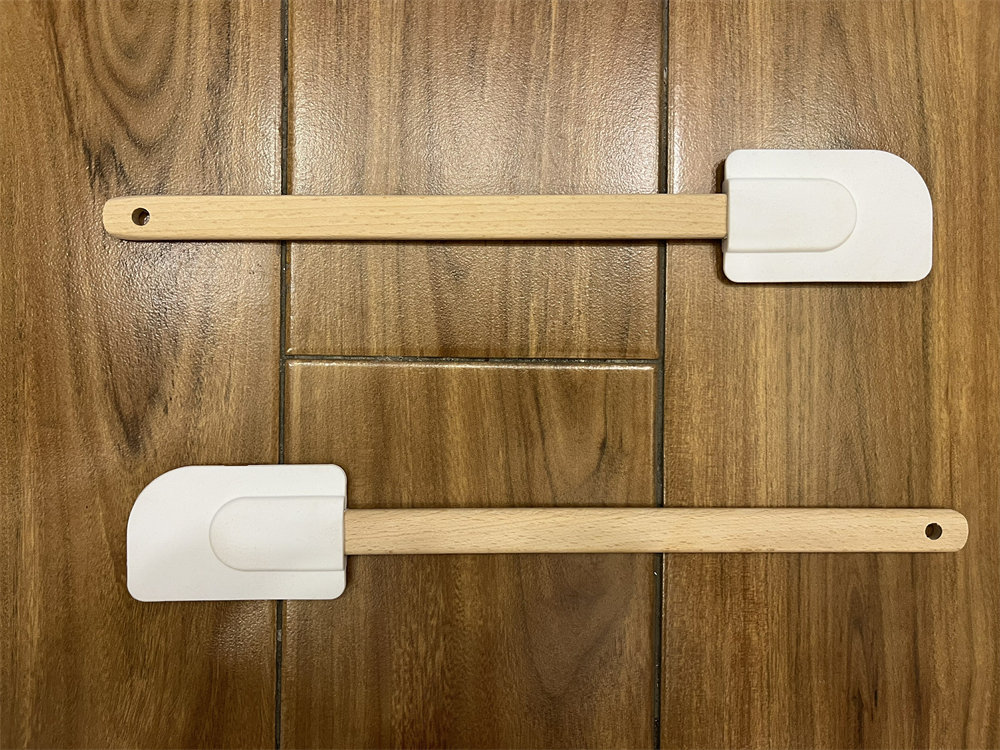
The foundation of a good wooden utensil is high-quality hardwood. Acacia and beech are the two materials we use due to their stability, density, and beautiful natural appearance. Acacia wood offers warm color tones and exceptional hardness, making it suitable for spoons, spatulas, and ladles exposed to frequent stirring or pressure. Beech wood, with its fine and even grain, allows smooth shaping and feels gentle in the hand.
Before production begins, each piece of lumber undergoes moisture control through kiln drying. This ensures the wood will not warp or crack during carving or long-term use. XINYILIN selects only properly dried and structurally sound acacia and beech pieces for our wooden utensil line.
Manufacturing starts with cutting raw planks into smaller blocks that match the size and shape requirements of different utensils. For example, a spatula may begin as a rectangular block, while a spoon blank may be slightly thicker to allow for bowl carving. During this stage, wood is examined once again to avoid knots or defects in areas where structural strength is required.
These cut blocks are then roughly shaped, forming the basic silhouette of the utensil. Acacia’s density provides structural stability, while beech offers excellent workability. At XINYILIN, this early shaping process focuses on accuracy and maintaining as much natural grain continuity as possible.
Carving is the step where the utensil transforms from a block into a functional kitchen tool. For spoons and ladles, the bowl is hollowed out using specialized carving machines or hand tools, depending on the design. Handles are refined to achieve proper ergonomics, ensuring the utensil feels comfortable and balanced during use.
For spatulas, the head is thinned to create a smooth edge suitable for flipping, stirring, or scraping. Beech wood’s fine grain makes it excellent for achieving clean lines, while acacia produces striking aesthetic patterns on curved surfaces.
XINYILIN’s production team combines machine precision with manual refinement to ensure each utensil in the wooden utensil category maintains consistent quality and a natural handcrafted feel.
Sanding is one of the most critical stages in wooden utensil production. A multi-stage sanding process—starting with coarse grit and progressing to fine grit—removes rough edges and creates a smooth, comfortable surface. Proper sanding prevents splinters, enhances usability, and ensures the utensil is pleasant to hold.
Acacia wood reveals its dramatic light-and-dark streaks when sanded, giving each utensil a unique decorative quality. Beech wood, on the other hand, becomes uniformly soft in texture, appealing to users who prefer a minimalist aesthetic.
The goal is not only visual beauty but also practical comfort. Utensils must glide smoothly against cookware and feel natural in the hand, making sanding a defining factor of product quality.
Depending on the intended use of the utensil, additional shaping may be required. Spatulas may be angled or beveled for easier flipping, stirring, or scraping. Spoon handles may be tapered for better grip, and specialist utensils—such as salad servers or cooking forks—require specific tines or curvatures.
Functional details must be integrated without compromising structural strength. Acacia wood excels in durability, making it ideal for utensils used with heavier mixing or cooking tasks. Beech wood’s consistent grain supports precise shaping of more intricate designs.
These refinements help distinguish high-quality utensils from mass-produced alternatives, and XINYILIN incorporates such functional enhancements across our wooden utensil series.
A wooden utensil becomes ready for kitchen use only after proper finishing. Food-safe oils, such as mineral oil or plant-based options, penetrate the wood fibers to enhance moisture resistance and deepen the natural color. This step gives utensils a protective layer that prevents cracking and reduces water absorption during washing.
Acacia wood responds beautifully to oil treatment, developing a richer tone and improved durability. Beech wood absorbs oils evenly, enhancing its pale color while maintaining a smooth surface. At XINYILIN, each utensil is treated with safe, high-quality oils to ensure longevity and hygiene.
Each utensil must pass several inspection stages. The goal is to ensure smooth surfaces, stable shapes, safe edges, and proper finishing. Utensils are checked for cracks, uneven carving, or any sanding marks that could affect their performance.
Below is an example of a basic inspection checklist:
| Inspection Category | Criteria |
|---|---|
| Smoothness | No rough spots, splinters, or sanding scratches |
| Structural Stability | Utensil must not warp or twist |
| Finish | Even oil absorption with no residue |
| Shape Accuracy | Handles and heads must match design specifications |
| Aesthetic Quality | Grain consistency and visual appeal |
Only utensils meeting all standards proceed to packaging.
Wooden utensils made from acacia and beech align with sustainable, renewable material practices. Both woods come from responsibly managed sources, offering an environmentally friendly alternative to plastic kitchen tools. Their long service life further reduces waste.
XINYILIN’s production emphasizes durability and repeat usability, helping kitchens worldwide reduce reliance on disposable or synthetic utensils. Our wooden utensil collection reflects this commitment to crafting tools that support both cooking performance and responsible material choices.
Both acacia and beech offer properties ideally suited for daily cooking tasks:
Superior durability for repeated stirring and mixing
Natural resistance to heat and moisture
Gentle contact with non-stick cookware
Comfortable texture after refined sanding
Attractive grain patterns that complement modern kitchens
These qualities make them preferred materials for wooden spoons, spatulas, ladles, and kitchen accessories.
Creating wooden utensils requires a balance of craftsmanship, material expertise, and precise finishing. From selecting acacia and beech lumber to carving, sanding, and oiling, each step influences the utensil’s performance and lifespan. High-quality utensils must feel comfortable in the hand, glide smoothly against cookware, and remain stable over years of use.
XINYILIN brings this craftsmanship to every item in our wooden utensil line, offering kitchen tools that combine functionality, aesthetic beauty, and long-term durability. Whether used by home cooks or professional chefs, well-made wooden utensils enhance every cooking experience.