Acacia wood cutting boards are known for their durability, natural resistance to moisture, and beautiful grain patterns. These characteristics make them favored choices for home cooks, professional chefs, and kitchens looking for long-lasting, eco-friendly tools. To maintain this material’s performance, it is important to use methods that preserve the wood’s natural oils and structural integrity. Cleaning an acacia cutting board is not complicated, but doing it correctly ensures a longer lifespan, better hygiene, and sustained appearance.
For kitchens that prefer premium, pre-seasoned boards manufactured with careful craftsmanship, XINYILIN provides durable and food-safe options such as the Acacia Wood Cutting Board, designed for long-term use and easy maintenance. Understanding correct cleaning methods helps protect this type of product and maintain its natural beauty.
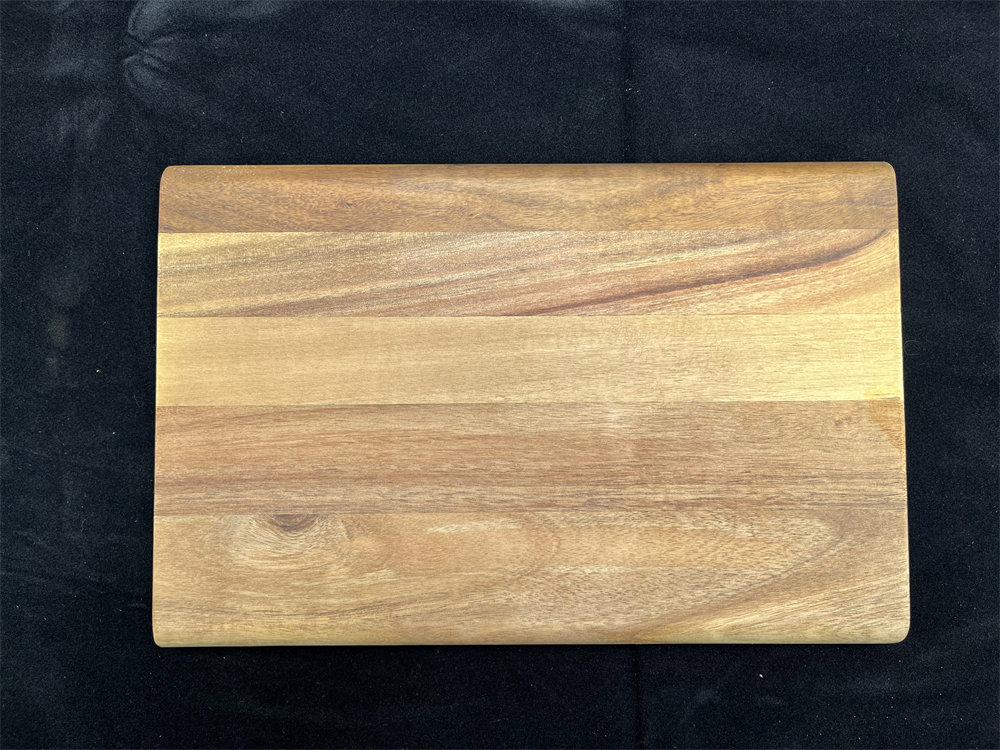
Acacia is a dense hardwood with naturally occurring oils. These oils help resist water absorption, reduce bacterial penetration, and enhance the board’s stability during temperature changes. When cleaned improperly, however, even strong hardwoods can warp, dry out, or crack. This is why cleaning techniques must be gentle, non-abrasive, and moisture-controlled.
Unlike plastic or bamboo boards, acacia responds best to mild cleaning procedures and manual care rather than soaking or machine washing. The density of acacia allows it to maintain structural integrity, but it also requires proper drying and occasional oiling to avoid stress on the grain. These unique traits influence every step of the cleaning process.
Daily cleaning is essential because it removes food residue, prevents stains, and stops microorganisms from multiplying. The process is simple, and each step supports the board’s long-term durability.
Use a soft scraper or silicone spatula to lift away food particles. Metal scrapers should be avoided to prevent scratching the board’s surface. The goal is to remove all physical residue before adding moisture.
A mix of warm water and a small amount of gentle dish soap is ideal. Lightly scrub using a soft cloth or non-abrasive sponge. Circular motions work well because they lift residues without damaging wood fibers.
Rinse the surface under running water, but do not soak the board. Acacia absorbs little water naturally, but prolonged exposure can weaken protective oils and increase the risk of warping.
Pat dry with a lint-free towel. After surface drying, place the board upright so air can circulate around all sides. Proper airflow is the key to preventing moisture entrapment within the wood grain.
Before storing, ensure the board is completely dry. Wet storage creates internal moisture pockets that can lead to long-term damage.
This sequence supports daily hygiene and keeps the board structurally sound.
Some foods leave strong aromas or temporary discoloration. When this occurs, deep cleaning techniques help restore the board without harsh chemicals.
Sprinkle coarse salt across the board.
Cut a lemon in half and scrub the salt into the surface.
The salt provides mild abrasion while lemon offers natural antibacterial properties.
Rinse quickly and dry thoroughly.
This method is effective for onion, garlic, fish odors, and fresh stains.
Mix equal parts baking soda and water to form a paste.
Apply lightly to stained areas and scrub with a soft sponge.
Rinse immediately after the stain lifts.
Baking soda neutralizes acids and helps restore surface brightness without damaging wood fibers.
Fill a spray bottle with diluted white vinegar.
Mist lightly over the surface and allow it to sit for 3–5 minutes.
Wipe and dry thoroughly.
Vinegar eliminates bacteria naturally, making it ideal for regular sanitation.
Some practices commonly used for other materials are unsuitable for acacia. Avoiding these methods protects the grain structure and natural finish.
Do not soak in water. Extended moisture contact weakens wood fibers.
Do not place in a dishwasher. Heat, steam, and prolonged water exposure cause cracking.
Do not use bleach or harsh chemicals. These break down acacia’s natural oils.
Do not scrub with steel wool. Abrasive tools damage the protective surface.
Do not leave the board flat on a wet countertop. Moisture trapped underneath can warp the bottom surface.
These precautions help maintain both hygiene and longevity.
Even well-cleaned boards lose oils over time. Replenishing these natural oils restores luster and prevents dryness.
Mineral oil (food-grade)
Beeswax and mineral oil blends
Walnut oil (not suitable for allergy-sensitive kitchens)
Ensure the board is fully dry.
Apply a small amount of oil using a soft cloth.
Allow absorption for several hours or overnight.
Wipe off excess residue.
This improves moisture resistance, enhances grain definition, and protects the board from cracking under daily use.
| Cleaning Method | Suitable For | Key Benefit | Impact on Acacia Wood |
|---|---|---|---|
| Daily mild soap wash | Everyday cooking | Removes residue | Gentle and safe |
| Salt & lemon scrub | Strong odors, minor stains | Natural deodorizing | Mild abrasion preserves grain |
| Baking soda paste | Surface stains | Neutralizes discoloration | Non-damaging, easy to rinse |
| Vinegar spray | Bacterial control | Natural sanitization | Safe when lightly applied |
| Oiling treatment | Long-term care | Restores moisture & shine | Prevents cracks and dryness |
This overview helps users choose the appropriate technique based on their cutting board’s condition.
A cutting board’s longevity depends not only on cleaning but also on how it is stored.
Store the board in a dry location with proper ventilation.
Keep it upright to prevent moisture buildup underneath.
Avoid placing heavy objects on top that could stress the wood.
Maintain a regular oiling schedule based on kitchen frequency.
Rotate use between multiple boards to reduce concentrated wear.
These habits prevent structural damage and keep the surface smoother for food preparation.
High-quality acacia boards provide better resilience and beauty when crafted with precision and proper seasoning. The XINYILIN acacia wood cutting board is designed specifically for durability, structural stability, and ease of maintenance. Its natural oils and carefully crafted finish make daily cleaning and long-term care more effective.
XINYILIN focuses on wood selection, grain stability, and strict manufacturing quality control. This ensures that customers receive a cutting board that can withstand regular kitchen use while maintaining its premium appearance.
Cleaning an acacia wood cutting board requires gentle methods that respect the natural properties of the wood. Warm water, mild soap, natural cleaning agents, and proper drying methods are essential components of daily care. Deep-cleaning options such as salt, lemon, baking soda, and vinegar provide safe alternatives for odor and stain control. The most important practices include avoiding prolonged water exposure, applying regular oil treatments, and storing the board in a dry, ventilated environment.
When maintained properly, an acacia cutting board can remain a reliable, hygienic, and visually appealing kitchen tool for many years. For those seeking a well-crafted board made from premium acacia, XINYILIN offers high-quality options that align with these cleaning and care practices.
Previous: Are Wood Or Silicone Utensils Better?