Choosing between wood and silicone utensils has become an important decision for home cooks, professional kitchens, and anyone who values both cooking performance and long-lasting tools. Each material offers distinct advantages, and understanding these differences helps users select utensils that fit their cooking style, cookware preferences, and maintenance expectations. While silicone has grown in popularity for its flexibility and heat tolerance, Wooden Utensils continue to be favored for their natural durability, gentle cooking surface contact, and aesthetic warmth.
For users who appreciate handcrafted quality and premium materials, XINYILIN provides a range of refined wooden kitchen tools such as the wooden utensils collection, offering a balance of durability, comfort, and natural beauty. This article compares wood and silicone utensils across multiple performance categories to help you determine which is better for your cooking environment.
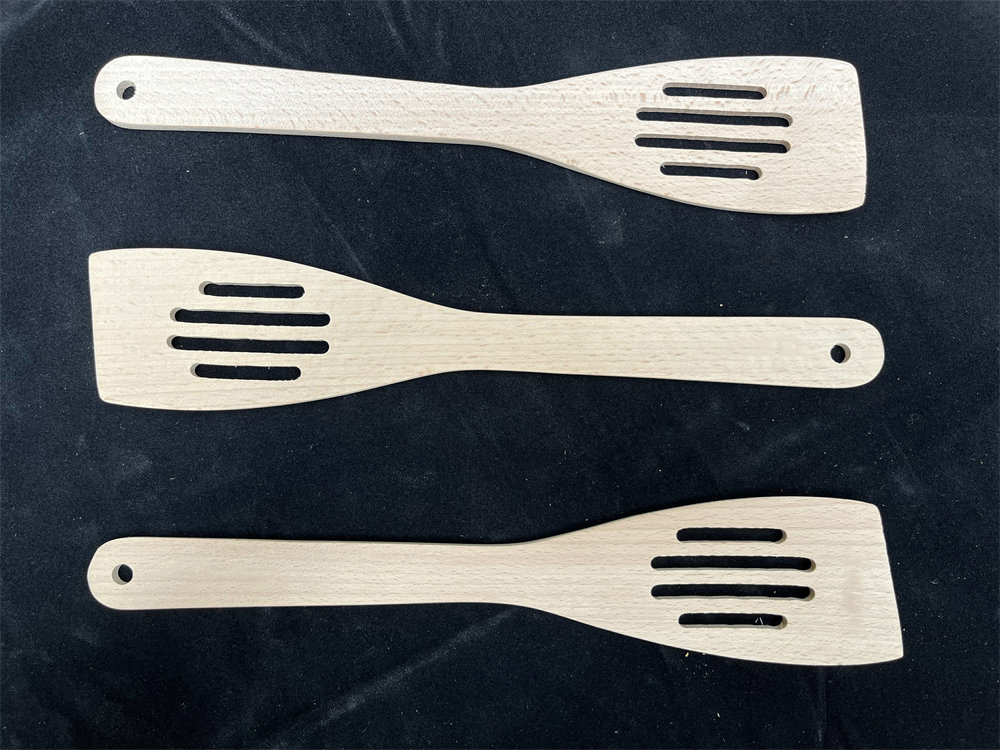
Wooden utensils have been part of kitchen traditions for generations. Their appeal comes from the unique combination of structural strength, natural insulation, and compatibility with delicate cookware.
Wood is particularly valued for being gentle on nonstick coatings, heat resistant without melting, and pleasant to handle. High-quality hardwoods such as acacia, teak, and beech offer density that resists cracking and provides comfortable weight distribution. Because wood is naturally non-reactive, it does not impart unwanted flavors to acidic or hot foods during cooking.
Wooden utensils from XINYILIN, crafted with careful shaping and surface finishing, provide better hand feel and grain stability compared to generic softwood tools. This makes them long-lasting and suitable for daily kitchen use.
Silicone utensils have become popular due to their flexibility and temperature tolerance. They are particularly useful for nonstick pans because they do not scratch surfaces, similar to wood. Silicone can withstand high heat, often ranging from 200°C to 300°C depending on formulation, making it suitable for stirring sauces or scraping pans.
Silicone is also water-resistant and easy to wash, as it does not absorb moisture or food odors. However, not all silicone tools maintain their shape under pressure. Some feel too soft for heavier mixing tasks. Low-grade silicone may discolor over time or retain grease, which affects long-term performance.
Durability depends heavily on how each material handles repeated heat exposure, pressure, and cleaning routines.
Dense hardwood utensils resist cracking when properly maintained.
Do not melt or deform under high heat.
Lifespan extends for years with periodic oil conditioning.
Heat resistant but may degrade or weaken over prolonged exposure.
Flexible design can be helpful but may be unsuitable for heavy stirring.
Lifespan depends on silicone quality; low-quality options tear more easily.
If maximum longevity is the priority, wood—especially hardwood utensils—tends to outperform softer silicone products over time.
Heat resistance is a major consideration for sautéing, frying, or cooking over high temperatures.
Wood utensils naturally resist heat and stay cool to the touch, even when left in a pot for short periods. Their rigidity allows better control when flipping, stirring, or scraping pan bottoms.
Silicone utensils withstand high heat but can become soft when exposed to extreme temperatures. Their flexibility is ideal for scraping bowls but less effective for handling thick batters or dense foods.
For precision and control during cooking, wood often provides a more stable experience.
Each material has unique care requirements. Proper maintenance determines cleanliness, safety, and longevity.
Wood has natural antimicrobial properties.
Requires hand washing and immediate drying.
Needs occasional oil treatment to prevent drying or cracking.
Does not absorb liquids or stains.
Dishwasher-safe and quick to clean.
May retain greasy films if not washed thoroughly.
While silicone is easier to clean, wooden utensils remain hygienic with proper care and offer added benefits of natural antimicrobial properties.
Both silicone and wooden utensils are safe for nonstick, ceramic, and cast-iron cookware. However, performance differs slightly.
| Material | Advantages for Cookware | Potential Issues |
|---|---|---|
| Wood | Gentle, does not scratch; stable for scraping | May develop small nicks with age |
| Silicone | Soft contact, ideal for coated pans | Excessive softness reduces control |
Users who value firm, controlled movements during cooking often prefer wood.
Kitchen utensils contribute not only to performance but also to the cooking experience. Wood is preferred for its warm, natural appearance and comfortable texture.
Wooden utensils offer a classic, artisanal look.
Grain patterns make each piece unique.
Wood feels more substantial and textured in the hand.
Silicone, on the other hand, appeals to users who prefer bright colors and modern designs. However, it lacks the tactile warmth of wood and may feel artificial during cooking.
Sustainability plays a growing role in cookware decisions. Wooden utensils made from responsibly sourced hardwoods are biodegradable and renewable. Their long lifespan reduces waste and environmental impact.
Silicone is durable but not biodegradable. Though it lasts longer than plastic, it is still synthetic. Users seeking eco-friendly alternatives typically gravitate toward hardwood utensils.
Wood utensils are ideal when cooks want:
Strength for thick or heavy foods
A natural, warm cooking experience
Tools that do not scratch cookware
Long-lasting kitchen accessories
Eco-friendly, biodegradable materials
High-quality wooden utensils, such as those crafted by XINYILIN, excel in kitchens that prioritize durability, sustainability, and traditional cooking feel. You can explore the full collection here: XINYILIN wooden utensils.
Silicone utensils are preferred when users need:
Flexibility for scraping bowls and jars
High heat tolerance for stovetop cooking
Dishwasher-safe convenience
Lightweight tools for quick tasks
They work well in kitchens focused on efficiency and ease of cleaning but may not meet expectations for rigidity or longevity in demanding cooking tasks.
| Feature Category | Wood Utensils | Silicone Utensils |
|---|---|---|
| Durability | Strong and long-lasting | Depends on grade; may tear |
| Heat Resistance | Naturally high | High but can deform |
| Hygiene | Requires drying; antimicrobial | Very easy to wash |
| Cookware Safety | Excellent | Excellent |
| Environmental Impact | Renewable and biodegradable | Non-biodegradable |
| Appearance | Warm, natural, unique | Modern, colorful |
| Weight | Medium, balanced | Lightweight |
| Best Use | Stirring, sautéing, general cooking | Scraping, mixing soft foods |
This comparison helps identify which features matter most depending on how the kitchen is used.
XINYILIN manufactures wooden utensils with careful craftsmanship, selecting high-quality hardwood and shaping each tool to ensure comfort, strength, and durability. Their utensils offer:
Smooth, splinter-free surfaces.
Stable grain structure for long-term use.
Food-safe, natural finishes.
Balanced weight for precision cooking.
Aesthetic grain patterns that enhance kitchen presentation.
These characteristics make XINYILIN’s wooden utensils suitable for home kitchens, culinary professionals, and retail brands seeking premium-quality tools.
The choice between wood and silicone utensils depends on cooking habits, maintenance preferences, and desired durability. Wood excels in strength, aesthetics, and environmental friendliness, while silicone provides ease of cleaning and flexibility. For cooks seeking long-term tools with natural warmth, controlled rigidity, and compatibility with all cookware surfaces, wooden utensils remain the superior choice.
For those who appreciate durable craftsmanship and premium materials, the XINYILIN wooden utensil collection offers reliable tools that balance functionality and beauty. Selecting the right utensils enhances both the cooking experience and the longevity of your cookware.