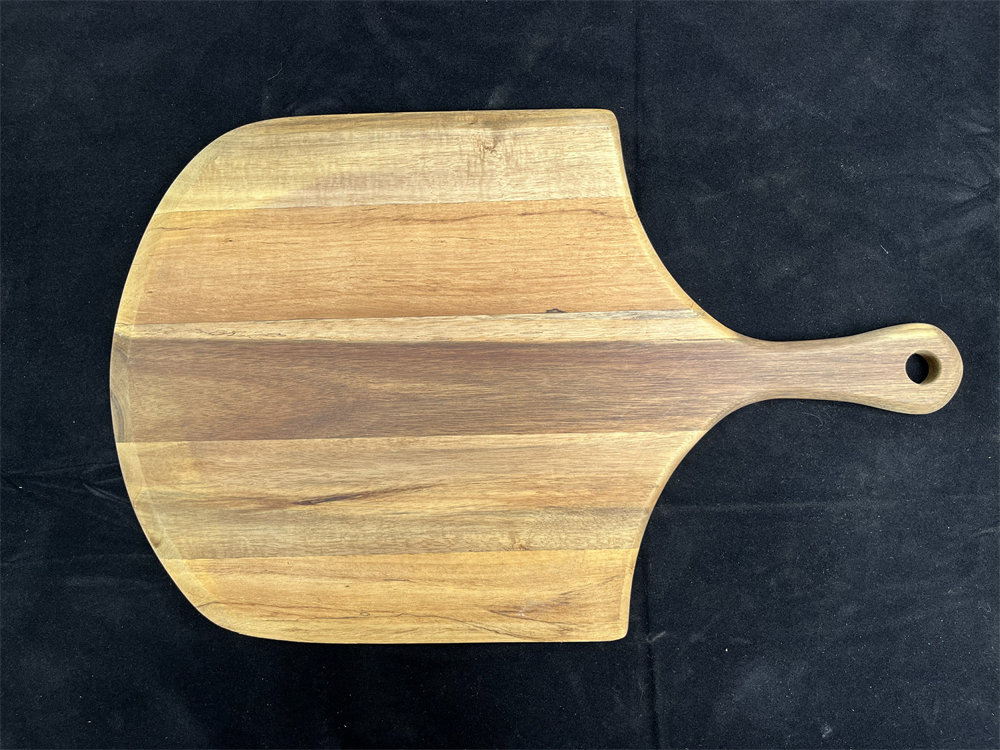
A wooden pizza peel is one of the most practical tools for launching and retrieving pizzas, breads, and flatbreads. It stays cooler than metal, offers a forgiving surface for dough, and helps reduce sticking when used correctly. But because wood is porous and works in high-flour, high-heat environments, its lifespan depends heavily on how you season it, how you clean it, and how you store it. The right routine keeps the peel smooth, stable, and resistant to moisture absorption, odors, and warping.
XinYiLin produces wooden kitchen boards built for daily food contact and repeated maintenance cycles. If you are sourcing or standardizing wood kitchen tools, you can explore XinYiLin’s wooden board manufacturing and product options here: Wooden Cutting Board
Seasoning is not about flavor. It is a surface-protection step that fills part of the wood’s open pores with a stable oil layer. This helps with four practical outcomes:
Reduces moisture absorption
Less water entering the wood means less swelling, fewer raised grain fibers, and a lower chance of warping.
Improves release performance
A well-conditioned surface stays smoother and is less likely to grab sticky dough during launch.
Slows staining and odor retention
Oil conditioning reduces how quickly the wood absorbs pigments and odors from food and flour residue.
Supports long-term surface stability
Proper oiling reduces cracking caused by repeated dry-wet cycles, especially in climates with dry winters or humid summers.
Use a food-safe oil that is stable and does not turn sticky over time. A common mistake is using cooking oils that oxidize and develop odor.
Best choices for most users:
Food-grade mineral oil
Stable, odorless, and widely used for wooden boards and peels.
Board oil blends made for wood care
Often mineral-oil based and designed for repeat conditioning.
Optional finishing step:
Wax-based conditioner made for cutting boards
This can add a thin moisture barrier and a slightly smoother feel, useful after the first oiling cycles.
Avoid these oils for seasoning:
Olive oil, vegetable oil, canola oil
These can oxidize, smell, and become tacky, especially when stored for long periods.
The goal is to create a clean, dry wood surface and gradually build a light oil layer without over-saturating.
Clean and fully dry the peel
If the peel is new, wipe it with a slightly damp cloth to remove dust, then dry immediately. If it has been used, remove flour residue and any stuck dough first. Seasoning should only be applied to a fully dry surface.
Apply a thin coat of food-safe oil
Pour a small amount of oil onto the surface and spread it evenly with a clean cloth or paper towel. Cover both sides and the edges, because edges absorb moisture fastest and are most prone to cracking.
Let the oil absorb
Place the peel flat or upright in a well-ventilated area. Let it rest for several hours or overnight so the oil penetrates.
Wipe off excess oil
If oil remains glossy or wet, wipe it off. Excess oil left on the surface can attract dust and flour and may feel sticky.
Repeat the process
For a new peel, repeat 2 to 4 cycles over the first week depending on how dry the wood feels. The surface should feel smooth and conditioned, not oily.
A good sign of correct seasoning is that water droplets bead slightly rather than soaking in instantly.
Wooden peels last longer when you use them in a way that reduces stress on the grain and surface.
Use flour wisely
Too much flour burns and creates bitter residue. Too little flour increases sticking and causes scraping that damages the surface. Use enough to create a light barrier. If you bake often, consider using a fine layer rather than heavy piles.
Avoid cutting on the peel
Slicing pizza on the peel creates deep grooves that collect oils and odors and can lead to raised grain. Use the peel for transfer and serving, then move the pizza to a cutting surface.
Minimize soaking and wet exposure
Water is the main factor behind warping. Use quick cleaning methods and avoid leaving the peel wet on a counter.
Cleaning wood is about removing residue while keeping water exposure short.
Remove dry flour first
Use a dry brush or cloth to remove flour and crumbs. This reduces how much scrubbing you need later.
Wash quickly with mild soap and warm water
Use a soft sponge and light pressure. Keep the water exposure brief. Do not soak the peel.
Rinse fast and wipe dry
Rinse only as much as needed, then immediately wipe dry with a towel.
Air-dry upright
Stand the peel on its edge so air circulates around both sides. Flat drying on a wet surface can trap moisture.
Handle odors with simple methods
If odors develop, wipe the surface with a paste of baking soda and water, then wipe clean and dry. Re-oil afterward if the surface feels dry.
Avoid these cleaning mistakes:
Dishwasher cleaning
High heat and long water exposure will warp and crack wood.
Bleach soaking
Strong chemicals can damage wood fibers and dry the surface aggressively.
Long hot-water soaking
This encourages swelling and later shrinkage, which drives warping and cracking.
A simple routine keeps the peel stable and smooth. Adjust frequency depending on use intensity and climate.
| Use frequency | Oil conditioning frequency | What to watch |
|---|---|---|
| Occasional home use | Every 4 to 6 weeks | Dry feel, rough grain, water absorbing quickly |
| Weekly baking | Every 2 to 4 weeks | Minor staining, surface dullness, flour sticking |
| Frequent use | Every 1 to 2 weeks | Edge dryness, small cracks, rough spots |
If your kitchen air is very dry or your peel sits near heat sources, you may need to condition more frequently.
Wood changes with moisture and heat. Minor surface issues can be corrected early.
Light sanding for raised grain
If the surface feels rough, sand lightly with fine-grit sandpaper, following the grain direction. Remove dust thoroughly before oiling again.
Edge care to prevent cracking
Edges lose moisture faster. Apply oil to edges more frequently, especially if you see whitening or dryness.
Small crack handling
If a small crack appears, increase conditioning frequency and keep the peel away from heat vents. If cracks expand or become deep, replacement may be safer for food contact.
Storage position and airflow matter as much as cleaning.
Store upright or hang it
Upright storage keeps both sides ventilated and reduces trapped moisture.
Keep it away from ovens and dishwashers
Heat cycling dries wood unevenly and increases cracking risk.
Avoid sealed plastic bags
Plastic traps moisture and can cause odor and mold issues. Use breathable storage.
For buyers, restaurants, and retail procurement, the best wooden tools are the ones that stay stable across repeated conditioning and cleaning cycles. XinYiLin’s wood board manufacturing focuses on food-contact suitability, stable construction, and repeatable finishing quality. This makes it easier for users to maintain tools correctly and extend service life.
To source wooden kitchen boards and related wood products from XinYiLin, view the range here: Wooden Cutting Board
Seasoning and maintaining a wooden pizza peel is a practical routine that protects the wood from moisture, reduces sticking, and extends usable life. Use a stable food-safe oil, apply thin coats, avoid soaking, clean quickly, dry upright, and condition regularly based on how often you bake. With the right habits, a wooden pizza peel can stay smooth, stable, and reliable for years, and XinYiLin’s wooden board manufacturing supports the consistency needed for long-term kitchen use.