Modern wooden kitchenware is no longer limited to basic spoons and cutting boards. Today’s buyers expect Wooden Utensils and tools to look refined on the countertop, feel comfortable in the hand, and stay stable through repeated use. For importers, retailers, and food-service brands, the key is selecting wooden kitchenware that aligns with current design direction while staying practical for everyday cooking and commercial handling.
XinYiLin manufactures a wide range of wooden kitchenware and offers OEM and ODM services through the Wooden Utensil product line, supporting product design, production, and delivery as a single supply process.
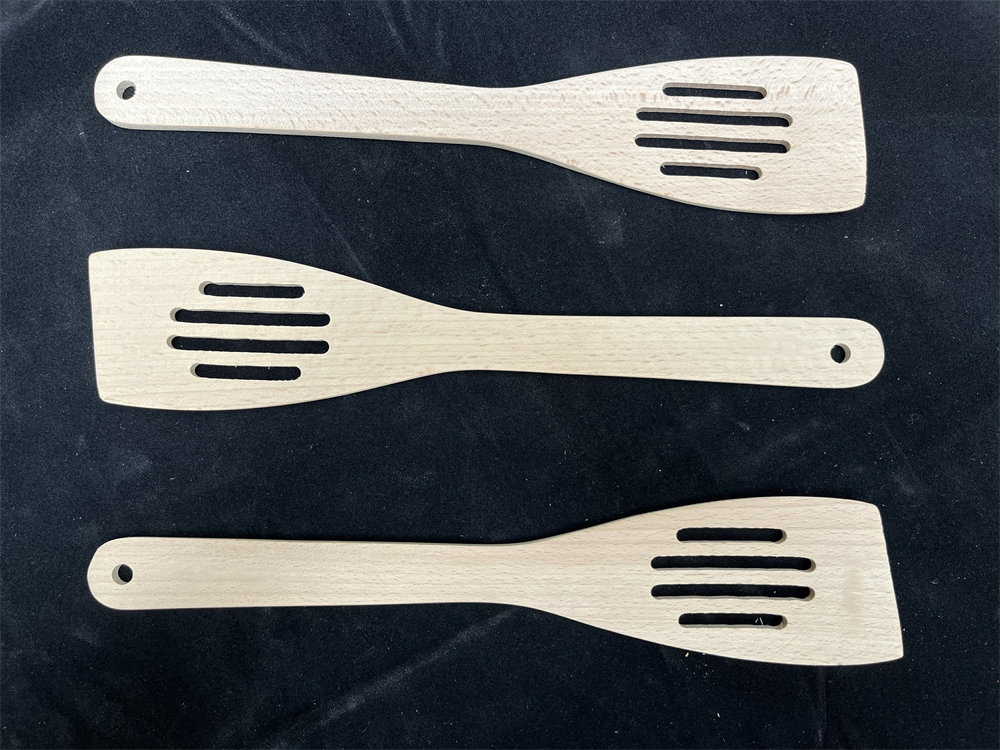
Wooden utensils are often purchased as a set, displayed in open storage, and used directly in front of customers in open kitchens. That means design affects more than appearance.
A strong design direction helps brands improve shelf appeal, raise perceived value, and reduce returns related to comfort or usability. It also makes product lines easier to expand because new pieces can follow the same shape language and surface standard.
For project buyers and long-term import programs, design consistency also reduces sourcing risk. When a supplier can control wood selection, machining stability, surface finishing, and packaging standards, the product line stays visually aligned across multiple batches.
A major direction in wooden kitchenware is simpler shape control. Buyers are moving away from overly decorative handles and selecting streamlined silhouettes that match modern kitchens.
What this looks like in wooden utensils:
Smooth handle transitions without sharp steps
Balanced proportions between head and handle
Clear lines that look modern in product photos
A clean end profile for hanging or upright storage
Why it works: Minimal geometry is easier to pair with stainless cookware, stone countertops, and modern cabinetry. It also supports consistent production because the product outline is clear and repeatable, which matters for OEM projects.
A wooden utensil is judged instantly by grip comfort. Modern designs focus on hand feel, not just outline.
Key ergonomic directions:
Slight oval handle profiles to prevent rotation in the hand
Soft edge radiuses for long cooking sessions
Handle thickness that supports control without fatigue
Smooth surface touch that stays comfortable even when hands are wet
How buyers can evaluate ergonomic quality:
The utensil should stay stable when stirring thick sauces or mixing dough
The handle should not create pressure points on the palm
The grip area should remain consistent across different utensil types in the same set
For brand programs, consistent handle geometry across the full utensil range makes the collection look unified and reduces customer complaints about mismatched feel.
Consumers want a natural look, but they also want a clean, consistent set. The trend is not random grain and mixed colors. The trend is natural appearance with controlled color matching.
Common buyer expectations:
Color tones that look uniform when displayed together
Grain that looks natural but not visually chaotic
Reduced dark spots that distract in product photos
What this means in sourcing: Suppliers should be able to manage raw material sorting and finishing consistency so the final batch looks aligned. For OEM programs, a controlled tone standard is essential because the product will be displayed under one brand identity.
Modern wooden kitchenware must stay clean-looking with normal washing routines. Buyers now focus more on practical surface performance than on glossy visuals.
Current finishing preferences:
Smooth sanding for a clean touch and lower residue retention
Even surface texture that does not trap stains easily
Finish stability that supports repeated wiping and drying
A good surface finish should support:
Easy rinse-off after oil or sauce contact
Reduced discoloration from frequent use
A consistent look after weeks of household cooking
For wholesale buyers, stable finishing reduces after-sales issues caused by rough surfaces, splinter concerns, or uneven appearance.
Modern wooden utensils are often sold as curated sets rather than single pieces. This trend increases basket value and helps retailers build stronger product pages.
What buyers prefer in a set:
Matching handle profile and end style
Consistent surface texture across all pieces
Balanced visual weight so no item looks out of place
Practical variety that fits daily cooking routines
Examples of set-based thinking:
Stirring spoon, slotted spoon, spatula, turner, ladle
Mixing tools for baking and prep
Serving pieces that match the cooking set style
For OEM buyers, the supplier’s capability to maintain shape consistency across different SKUs is a key requirement.
Many kitchens use open containers, wall hooks, or countertop holders. Modern wooden utensils are increasingly designed for visible storage.
Popular design details:
Hanging holes aligned in size and position
Flat end caps that stand neatly in utensil holders
Compact head shapes that do not overcrowd storage jars
Profile consistency so sets look organized
This trend directly affects product photography and retail presentation. A well-aligned set looks more premium without needing heavy packaging decoration.
Wooden kitchenware fits premium retail and gift positioning because it feels warm, natural, and timeless. The trend is to develop brand-ready details that support customization.
Common OEM and ODM directions:
Custom logo placement on handle or packaging
Set configuration adjustments for different sales channels
Style variations for regional preferences
Packaging standards aligned with gifting and retail display
A supplier that supports design and packaging alignment helps overseas buyers launch collections faster and maintain brand consistency across product categories.
Design choices increasingly consider how the product looks in a photo, because online sales rely on visuals.
Design features that improve product image performance:
Clean surfaces that show texture without looking rough
Consistent tone that stays stable under warm lighting
Balanced silhouettes that look refined from multiple angles
Proportions that communicate durability without appearing bulky
When wooden utensils are designed for photography, retailers can create higher-converting listings with fewer image revisions.
Use the checklist below when evaluating a wooden utensil program.
| Evaluation item | What to check | Why it matters |
|---|---|---|
| Shape style | Clean silhouette, modern profile, consistent set design | Improves shelf appeal and product line unity |
| Handle comfort | Stable grip, smooth edges, good thickness | Reduces customer complaints and improves repeat purchase |
| Tone consistency | Similar color range across a set and across batches | Supports brand identity and visual merchandising |
| Surface finishing | Smooth sanding, even texture, easy-to-clean feel | Improves daily usability and long-term appearance |
| Set compatibility | Same handle language across multiple SKUs | Easier collection building and cross-selling |
| Customization | OEM and ODM capability, packaging control | Supports retail programs and project requirements |
Design trends only create value when a supplier can execute consistently over time. XinYiLin is an export-oriented manufacturer specializing in wooden kitchenware and provides OEM and ODM services for food brands, foodstuff companies, gift shops, and large supermarkets.
Key strengths that support trend-based sourcing:
Long-term manufacturing experience in wooden kitchenware production
One-stop support from product design to production and delivery
Capability to develop multiple wooden kitchenware categories under a unified style system
Experience serving overseas buyers across multiple regions, supporting stable communication and repeat orders
For buyers building a modern wooden utensil collection, the ability to align design direction, finishing standards, and consistent production output is what turns a trend into a scalable product line.
Modern wooden kitchenware trends focus on clean silhouettes, ergonomic comfort, controlled natural tones, and practical surface finishing that supports daily cleaning. Buyers also prioritize set-based consistency, storage-friendly details, and customization readiness for retail programs.
If you are sourcing wooden utensils that match modern kitchen expectations while supporting OEM and ODM execution, start with the XinYiLin Wooden Utensil range and build a collection around unified handle design, stable finishing, and long-term production consistency.