Wooden Utensils stay smooth, stain-resistant, and comfortable to use when their surface fibers are properly conditioned. The right oil slows water absorption, reduces drying cracks, and helps prevent odors from lingering after cooking. If you are sourcing utensils for retail, gifting, or food-brand programs, stable finishing standards also matter because customers can feel the difference after only a few washes. XinYiLin supplies a full range of Wooden Utensils with OEM and ODM support and export-oriented production experience.
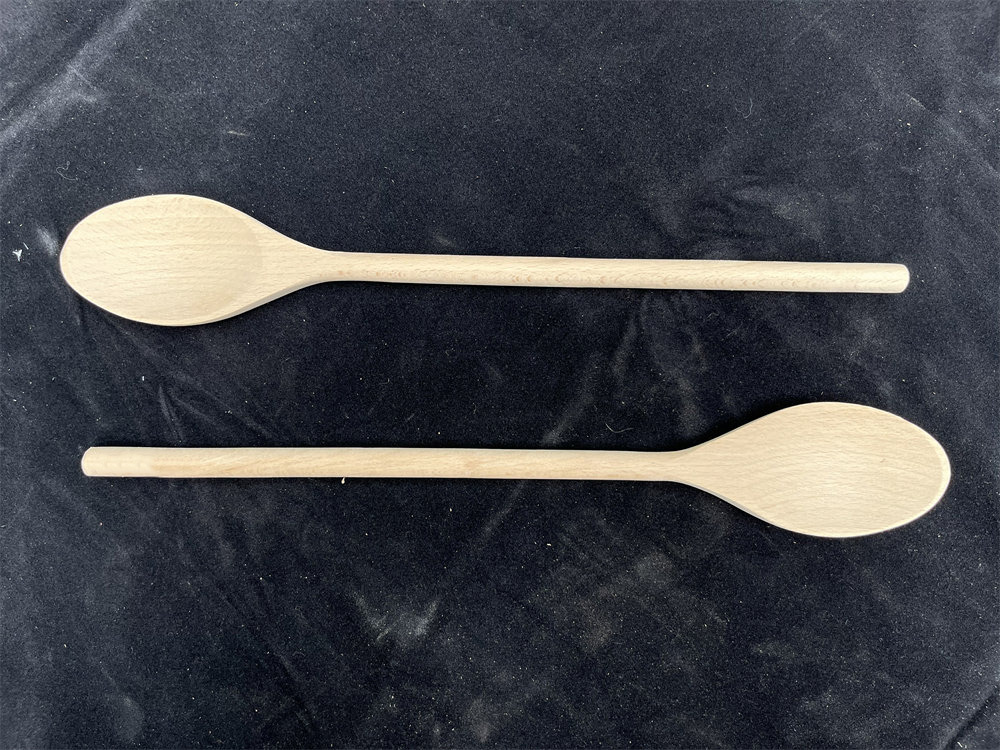
A good utensil oil is not chosen for shine alone. It needs to penetrate, remain stable under kitchen temperatures, and avoid becoming sticky or rancid. When buyers oil wooden spoons, spatulas, and turners correctly, they get practical benefits that affect daily use.
Key performance targets:
Limits water soaking into the grain during washing
Reduces fuzzy raised grain after repeated wetting and drying
Lowers the chance of food stains setting into the surface
Keeps edges and tips from drying out and splintering
Food-grade mineral oil is one of the most common choices for wooden utensils because it is odorless, colorless, and highly stable. It does not oxidize the way many plant oils do, so it is unlikely to turn sticky over time. It penetrates well and is easy to reapply, making it suitable for both home users and commercial kitchens that wash utensils frequently.
When to choose it:
You want a low-maintenance oil that stays neutral
You sell utensils to markets with different cooking habits and cleaning routines
You want consistent results across large batches
Fractionated coconut oil stays liquid and is more stable than many kitchen oils. It can work well for wooden utensils when it is clearly food-safe and intended for conditioning rather than cooking. It typically has a lighter feel than solid coconut oil and is less likely to leave a waxy surface.
When to choose it:
You want a plant-based option with good stability
You prefer an oil that absorbs quickly with a clean finish
Many buyers use blends marketed for cutting boards and utensils. These are usually based on mineral oil with optional natural waxes. A small amount of wax can improve water beading and add a smoother hand feel, which is helpful for premium utensil sets and gift packaging.
When to choose them:
You want a slightly more protective feel than straight oil
You want a finish that looks premium in retail presentation
You want one product that works for utensils and boards
Some oils are common in kitchens but are not ideal for long-term utensil conditioning. The problem is oxidation. Many cooking oils polymerize or go rancid, leaving odor, stickiness, and uneven dark patches.
Avoid using these as a conditioning oil:
Olive oil
Can oxidize and develop odor, especially if the utensil is stored in warm cabinets.
Vegetable oil, canola oil, corn oil
More likely to become sticky with time and repeated heat exposure.
Butter-based coatings
Not stable and can create odor and uneven residue.
If a buyer already used one of these oils and the utensil feels tacky, a deep clean and re-oiling with a stable conditioner usually restores the surface.
| Oil type | Oxidation risk | Odor risk | Finish feel | Maintenance frequency | Best for |
|---|---|---|---|---|---|
| Food-grade mineral oil | Very low | Very low | Smooth, neutral | Moderate | Most kitchens, export markets |
| Fractionated coconut oil | Low | Low | Light, clean | Moderate | Plant-based preference |
| Oil + wax conditioner | Very low | Very low | Slightly richer, water-beading | Lower | Premium utensil sets, gifting |
| Olive oil | Medium to high | Medium | Can become sticky | High | Not recommended |
| Vegetable oils | High | High | Often tacky over time | High | Not recommended |
There is no single schedule that fits every kitchen, because washing frequency and water exposure vary. A useful approach is to oil based on surface condition, not the calendar.
Signs it is time to oil:
The wood looks pale or chalky
Water soaks in immediately rather than beading
The surface feels rough after drying
Strong food odors linger after washing
Typical ranges many users follow:
Light home use: about once every 3 to 6 weeks
Frequent cooking and washing: every 1 to 3 weeks
Commercial kitchens: often weekly, depending on sanitizer routines
A correct oiling method prevents stickiness and keeps the utensil food-safe. It also ensures the oil penetrates rather than sitting on the surface.
Preparation steps:
Wash with mild soap and warm water
Dry immediately with a towel
Air-dry fully, usually overnight, so moisture does not get trapped under oil
Application steps:
Apply a small amount of oil on a clean cloth
Rub with the grain across the entire utensil, including edges and the handle end
Let it absorb for 20 to 60 minutes
Wipe off all excess oil until the surface feels dry, not slick
If the utensil is very dry, a second thin coat after the first one absorbs can restore a smoother feel.
Stickiness usually means the oil layer was too thick or the oil type oxidized. The fix depends on the cause.
If too much stable oil was applied:
Wipe down with a dry cloth
Leave in a warm, ventilated area for several hours
Buff again until the surface feels dry
If an unstable cooking oil was used:
Clean with mild soap and warm water
Dry fully
Lightly sand with fine grit if residue remains
Reapply food-grade mineral oil or a utensil conditioner
Good oiling results start with how the utensil is made. Wood selection, drying control, surface sanding consistency, and edge finishing all affect how evenly oil absorbs and how smooth the utensil feels after washing.
XinYiLin produces Wooden Utensils with export-oriented manufacturing experience and supports OEM and ODM requirements for product sizing, shapes, set combinations, and packaging. This makes it easier for overseas buyers to maintain consistent user experience across different SKUs and reorder cycles.
The best choice to oil wooden utensils is a stable, food-safe conditioner that penetrates the grain and stays neutral over time. Food-grade mineral oil is the most widely trusted option for consistent results, while fractionated coconut oil and oil-wax conditioners also perform well when they are designed for wood care. Avoid common cooking oils that oxidize, because they can create odor and sticky residue.
With the right oil and a simple maintenance routine, wooden utensils stay smooth, clean-looking, and reliable for daily cooking, which supports better customer satisfaction and repeat sales for utensil programs and retail collections.