Yes, acacia wood cutting boards are a good choice for many kitchens, especially when you want a board that looks premium, handles daily prep well, and offers a solid balance between durability and knife friendliness. Acacia is a hardwood with naturally rich grain patterns and strong fiber structure, which helps it stand up to repeated slicing, chopping, and light impacts without feeling fragile. At the same time, it is not so hard that it becomes overly harsh on knife edges when the board is properly built, sanded, and finished.
What matters most is not only the species name, but how the cutting board is manufactured: wood selection, moisture control, lamination stability, surface finishing, and how the board is sealed. This is where product-grade acacia boards differ from generic boards that may look similar online. If you want to evaluate a specific option, you can reference the product details here: acacia wood cutting board
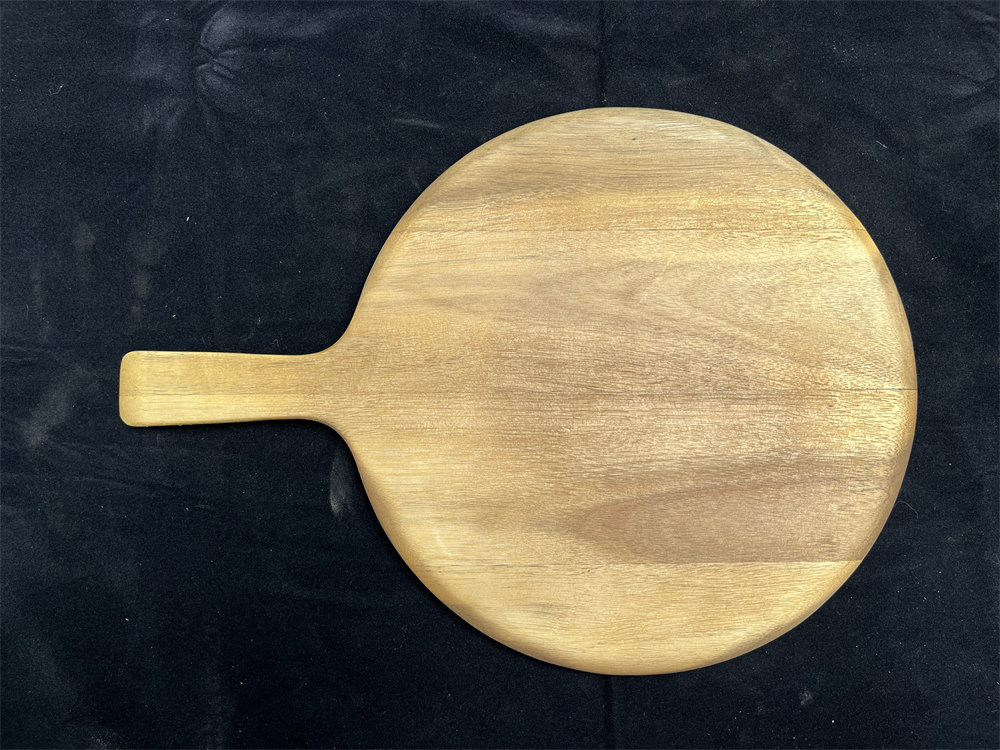
Acacia refers to a group of hardwood species commonly used for kitchenware. In cutting boards, it is valued for its dense structure and its visual character. The grain often includes strong color variation, from honey tones to deeper brown streaks, which helps the board look less monotone and more decorative on a countertop. That aesthetic appeal is not only for display. A board you enjoy looking at is more likely to be used daily, which makes a difference for workflow.
In practical use, acacia typically offers a stable feel under the knife. It can provide a confident cutting surface that does not feel spongy, yet it is not glassy-hard like stone or ceramic boards. That balance is one reason many households choose acacia for a primary prep board and also for serving boards used for bread, cheese, and fruits.
A good cutting board needs to handle repeated knife contact and daily washing routines without quickly developing deep grooves, splintering edges, or warping. Acacia performs well here because it is a hard hardwood with strong fibers. In normal kitchen prep, that means surface marks tend to stay shallow compared to softer woods, and the board keeps a cleaner look for longer when maintained properly.
Durability is not only about hardness. It is also about stability. Cutting boards experience moisture cycling: wet during rinsing, then drying on a counter or rack. If moisture is not controlled during manufacturing, the board can cup or twist over time. High-quality acacia boards focus on moisture control and stable lamination so the board stays flat through repeated use. This is especially important for larger boards, boards with juice grooves, and boards intended to sit on non-slip feet, because unevenness reduces safety and comfort.
A durable acacia cutting board also protects your countertop better. A board that stays flat and stable is less likely to rock or slide, and it is less likely to trap moisture underneath, which can lead to odor and surface issues over time.
Knife wear is a common concern when people compare wood types. The right perspective is that any wood board will create some friction with the edge, but the goal is to avoid surfaces that are overly abrasive or unforgiving. Acacia is dense, but when the board is properly sanded and finished, it remains a knife-friendly surface for everyday cooking. The wood fibers allow slight give under the blade, which helps reduce micro-chipping compared to very hard non-wood surfaces.
Several factors affect how knife-friendly an acacia board feels:
Surface finish: a smooth, well-sanded surface reduces drag and prevents the blade from catching rough grain
Construction quality: stable lamination and a flat surface reduce bouncing or uneven contact
Maintenance: a dry, neglected board can become rougher over time, while an oiled board stays smoother and more consistent
If you use high-end knives and want the longest edge life possible, any wood board is generally preferable to stone, glass, or ceramic. Acacia fits that standard well when you choose a board made for real prep rather than only for display.
No cutting board is automatically hygienic if it is used incorrectly. Hygiene depends on cleaning routine, drying, and whether you separate raw proteins from ready-to-eat foods. That said, wood cutting boards are widely used because they can be cleaned effectively, and a well-finished board is easier to wash and dry than a rough or porous surface.
For day-to-day food safety, focus on practical habits that matter more than the wood species name:
Use separate boards for raw meat, seafood, and ready-to-eat foods, or clean thoroughly between tasks.
Wash with mild soap and warm water, then rinse and wipe dry.
Let the board dry vertically or on a rack so both sides dry evenly.
Avoid soaking, dishwashers, and prolonged water exposure, which can damage any wood board.
Acacia boards that are properly sealed are easier to wipe clean because the surface resists absorbing liquids as quickly. That sealing also helps reduce odor retention from onions, garlic, and strong spices when the board is maintained regularly.
Acacia is a strong choice, but it is not maintenance-free. Most complaints about acacia boards come from predictable issues that can be prevented.
Warping is usually caused by moisture imbalance. If one side stays wet longer than the other, the board can cup. The solution is to avoid soaking, dry both sides, and store vertically when possible. Boards that are manufactured with controlled moisture content and stable lamination are also less prone to shape change.
Surface dryness is another issue. When a board dries out, it can look dull, feel rough, and become more likely to show cracks. Regular oiling keeps the surface conditioned and helps the board maintain a smoother cutting feel. The frequency depends on climate and usage, but a simple rule is to oil when the surface looks dry or feels less smooth.
Staining and odor can occur if strongly colored foods and liquids sit on the surface too long. Quick rinsing and wiping after prep prevents most staining. For deeper odor control, a gentle scrub with salt and lemon, followed by rinsing and drying, is a common household method, but it should be done with care and followed by oiling so the board does not dry out excessively.
Two acacia cutting boards can look similar in photos but perform very differently. The difference comes from manufacturing details that affect stability, feel, and service life.
Key quality indicators include wood selection, board thickness, flatness, edge finishing, and sealing. In practical terms, you want a board that feels solid, lies flat, and has a smooth surface that does not catch the blade or raise splinters along the edges. You also want consistent finishing, especially around handles, juice grooves, and corners, because these are the areas that can become rough first.
A quick checklist that helps buyers evaluate a board without overcomplicating the decision:
Flatness and stability: sits without rocking and does not twist easily
Clean joinery: tight lamination with no visible gaps
Smooth edges and corners: comfortable to carry and less likely to chip
Purpose-driven design: juice groove depth, handle shape, and board weight match how you cook
Protective sealing: surface looks evenly finished, not patchy or overly dry
If you are sourcing for retail or projects, consistency matters as much as single-piece quality. Stable production standards reduce returns, reduce complaints about warping, and help customers trust the product after repeated use.
A cutting board should be durable, comfortable to use, and consistent in finish and performance. XinYiLin acacia cutting boards are designed around practical kitchen behavior: repeated cutting, frequent cleaning, and long-term countertop presence. The product approach emphasizes stable construction and surface finishing so the board performs as a prep tool, not only as a decorative piece.
For buyers comparing options, the advantage of working with a focused manufacturer is that you can select the right board format for your market or kitchen needs, whether the priority is a thick prep board, a serving-friendly profile, or a design with grooves and handles. You can review the available option set here: acacia wood cutting board
acacia wood cutting boards are a strong choice when you want a balance of durability, attractive natural grain, and a knife-friendly feel that suits daily cooking. They hold up well under normal chopping and slicing, and when properly sealed and maintained, they are easy to clean and comfortable to use. The main risks, such as warping and surface dryness, are manageable with correct manufacturing standards and simple care habits like proper drying and periodic oiling.
If you want an acacia board built for real kitchen use with consistent finishing and stable construction, explore XinYiLin options here: acacia wood cutting board