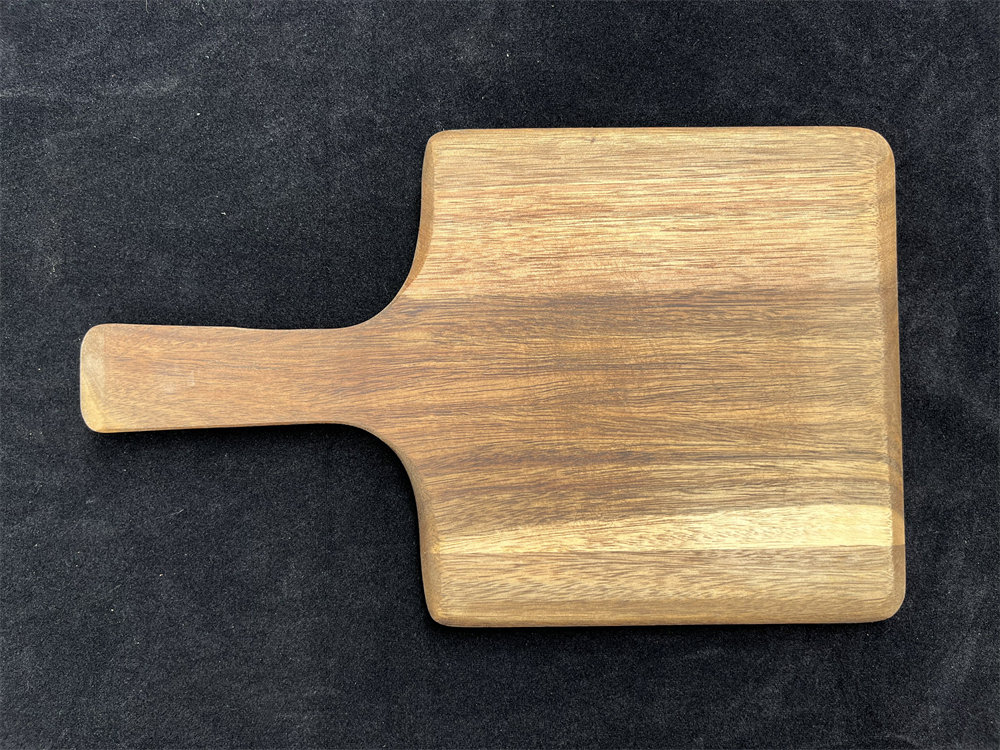
An acacia wood cutting board can be non toxic and safe for food preparation when it is made from properly processed wood and finished with food-safe materials. In most kitchens, the question is not whether the wood itself is toxic, but whether anything added during manufacturing can migrate into food. That includes surface finishes, coatings, adhesives used in lamination, and the cleanliness and curing standards used before packing.
Acacia is widely used for kitchenware because it is a stable hardwood with a tight grain structure, and it performs well as a prep surface when it is sealed correctly. XinYiLin’s acacia cutting board range is positioned specifically for food use, with product information stating the boards are finished with non-toxic, food-safe oils or waxes and produced under strict quality standards for safety. You can review the product details here: acacia wood cutting board.
In kitchen products, non toxic usually means the board does not introduce harmful chemicals into food during normal use. For wood cutting boards, the main safety factors are:
1、The wood source and processing
Acacia used for boards is typically kiln-dried and machined to a smooth surface. Proper drying reduces the risk of cracking, odor issues, and instability that can trap moisture.
2、What the surface is finished with
Food-safe oils and waxes are commonly used to seal the surface and reduce water absorption. This improves cleanability and helps prevent the board from drying out too quickly.
3、Whether coatings and adhesives are appropriate for food contact
Some boards use laminated construction. In those cases, adhesive selection and curing standards matter. A safe, well-made board keeps those materials stable and properly contained.
When these elements are handled correctly, acacia boards are a safe everyday option for fruits, vegetables, bread, and general prep.
Acacia wood, as a natural hardwood, is commonly used for food-contact items such as cutting boards, serving boards, and utensils. The wood itself is not treated with toxins by default. The more realistic risk comes from poor processing or inappropriate finishes rather than the wood species name.
Acacia is often chosen because it combines durability with a relatively tight grain. A tighter grain can reduce how quickly liquids soak in compared with more open-grain woods, and that supports hygiene in daily use when combined with correct cleaning and drying habits. This is also why acacia is frequently described as suitable for long-lasting kitchen boards and tools.
Most consumer confusion comes from the word finish. A cutting board finish is not meant to be the same as furniture varnish. Kitchen boards are typically sealed with food-grade oils or oil-wax blends to slow water absorption, reduce staining, and make wiping easier. XinYiLin’s product information describes finishing with non-toxic, food-safe oils or waxes for safe food preparation.
Some XinYiLin board specifications also mention surface finish options such as lacquer or edible grade oil. This matters because the safety of a coated board depends on whether the coating is designed and cured for food contact, not simply the name of the coating. A food-safe coating that is fully cured and stable behaves differently from a furniture-grade coating that can chip or degrade under cutting and washing.
If you are evaluating whether a specific acacia board is non toxic, the most practical questions to ask are:
Is the board finished with food-grade oil or a food-safe coating designed for kitchen contact
Is the finish fully cured and stable before packing
Is the finish intended to withstand washing, wiping, and repeated knife contact without shedding or flaking
XinYiLin also provides guidance content emphasizing food-grade mineral oil and beeswax-style conditioning as appropriate board finishes, and warns against unsuitable film finishes for kitchen boards in general guidance.
Not every acacia board is one solid piece. Many boards are made from laminated strips because this improves stability and reduces warping when done correctly. Laminated construction can be a positive feature, but it does introduce one additional safety variable: adhesive choice and curing discipline.
A safe laminated board should have tight joints, no visible gaps, and stable bonding that does not soften with normal washing. While consumers cannot test adhesive chemistry at home, you can assess build quality and reduce risk by focusing on observable indicators:
The board surface looks uniform and smooth, with no glue squeeze-out lines
Seams are tight and consistent, with no hairline openings
The board does not carry a strong chemical odor out of the box
The board remains flat and stable after normal wipe-clean routines
XinYiLin’s product and category content repeatedly frames their boards as food-use products with quality standards and food-safe finishing approaches, which is the right direction for buyers who care about non toxic claims.
Even the safest acacia board can become unpleasant or unhygienic if it is used incorrectly. Wood is a natural material and responds to moisture cycling. The best way to keep a board safe is to combine the right product choice with the right daily care.
For day-to-day kitchen use, a simple routine protects both safety and lifespan:
Wash with mild soap and warm water, then rinse and wipe dry
Dry the board upright so both sides dry evenly
Avoid soaking the board in a sink
Avoid dishwashers, high heat, and long water exposure
Conditioning also matters. XinYiLin’s care guidance recommends replenishing oils over time and lists food-grade mineral oil and beeswax blends as common options. Oiling is not just about shine. A conditioned surface sheds water better, resists staining, and stays smoother, which helps cleaning and reduces the chance of rough fibers catching food residue.
When assessing whether an acacia wood cutting board is truly non toxic and suitable for food contact, the evaluation should be based on material transparency, finishing standards, and production consistency rather than surface appearance alone. From a manufacturing and sourcing perspective, several technical factors determine long-term safety and reliability.
First, the finishing system used on the board must be clearly defined for food contact. Food-grade mineral oil, plant-based oils, or oil-wax blends designed for kitchen use are commonly accepted solutions. The key requirement is that the finish is stable, fully cured, and does not form a brittle film that could degrade or transfer substances during cutting and cleaning. XinYiLin specifies non-toxic, food-safe oil or wax finishing for its acacia cutting board range, aligning with food-use requirements.
Second, material disclosure and process clarity are essential. A reliable cutting board manufacturer should clearly state the wood species, surface treatment approach, and recommended care method. Vague descriptions often indicate decorative intent rather than functional kitchen use. XinYiLin provides clear product descriptions and care guidance across its acacia cutting board range, which supports proper use and long-term safety.
Third, production consistency and quality control play a critical role in non toxic performance. Stable moisture control, uniform sanding, and controlled finishing application reduce the risk of warping, surface cracking, or finish instability after repeated washing. Consistent production standards are especially important for wholesale, retail, and hospitality supply, where product variation leads to complaints and returns.
Finally, for commercial or international sourcing, documentation readiness should be considered. Depending on the target market, buyers may require material declarations, finish specifications, or food-contact compliance references. Working with a manufacturer focused on wooden kitchenware production rather than general décor items helps ensure these requirements can be addressed efficiently.
A non toxic acacia cutting board is ultimately a combination of material choice and manufacturing discipline. XinYiLin’s acacia cutting board product information states food-safe materials and non-toxic, food-safe oil or wax finishing intended for safe food preparation, supported by quality standards for product safety. Their related product pages also reference food-grade oil or safe coatings that aim to prevent harmful substance release and improve water repellency, which supports hygiene and cleaning ease in real kitchens.
For buyers who want an acacia board that functions as both a prep tool and a countertop-ready piece, the combination of material selection, finish options, and care guidance provides a clear safety narrative. To see available styles and inquiry options, refer to: acacia wood cutting board.
Acacia Wood Cutting Boards can be non toxic when the board is made from properly processed acacia and finished with food-safe materials that are stable for kitchen contact. The wood itself is commonly used for food-contact items, but the true safety factors are the finish, any coatings, and the quality discipline behind lamination and curing. XinYiLin describes its acacia cutting boards as finished with non-toxic, food-safe oils or waxes and produced under strict quality standards for safe food preparation, which aligns with what buyers should look for when choosing a non toxic board.
If you want to evaluate models, finish approaches, and sourcing options, visit: acacia wood cutting board.