Cleaning a wood cutting board after raw meat is not only about removing visible residue. The goal is to reduce microbial risk, prevent cross-contamination, and protect the board structure so it stays stable and hygienic over long-term use. Wood behaves differently from plastic. It can absorb a small amount of moisture at the surface, and it can also dry out and crack if cleaning is too harsh or drying is incorrect. A correct method must balance sanitation with wood protection.
At XINYILIN, we design Wooden Cutting Boards around real kitchen routines, including repeated washing, fast turnaround, and daily conditioning. This guide explains a practical cleaning workflow after raw meat, what to avoid, and how to maintain boards in high-frequency environments while keeping performance consistent across large replacement programs.
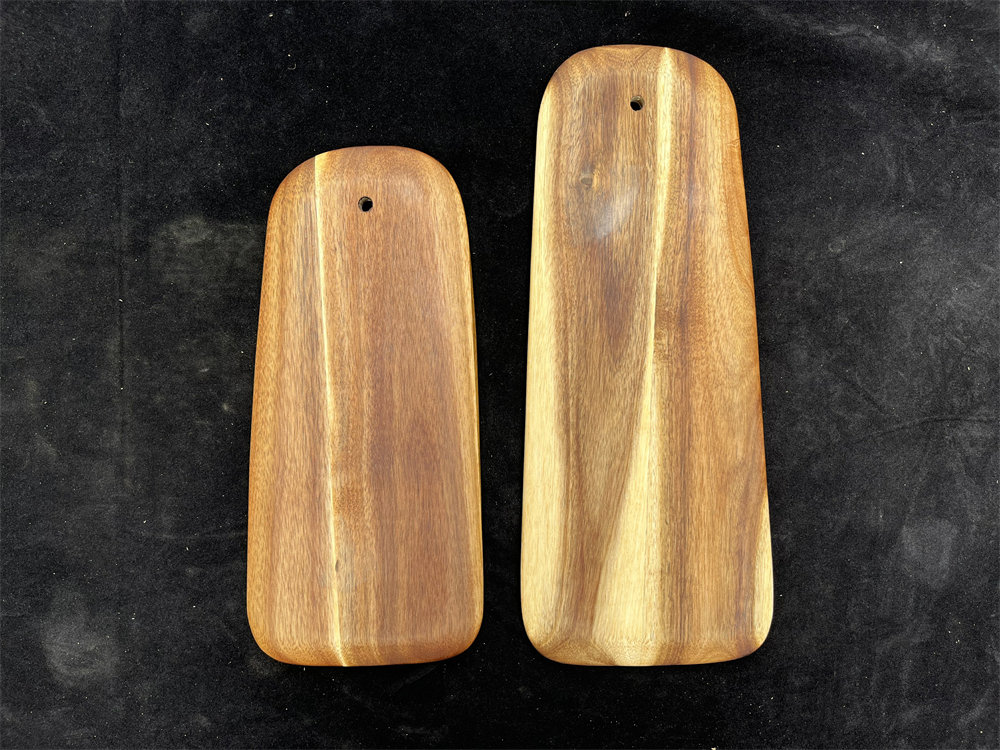
For board specifications and construction options, refer to our wooden cutting board: Wooden Cutting Board
After raw meat, the main concern is cross-contamination. Residual proteins and fats can remain in knife marks and on the surface grain, creating a higher-risk environment if the board is not washed and dried correctly.
A cleaning method must control:
Surface residue removal, including fats that block effective rinsing
Sanitation action time long enough to reduce microbial load
Drying speed and airflow so moisture does not remain trapped
Surface condition so the board does not develop deep cracks that hold contaminants
A consistent procedure matters more than aggressive chemicals. Over-treatment can damage the wood, increase roughness, and make the board harder to clean over time.
The first two minutes after cutting raw meat often determine how easy sanitation will be. If residue dries onto the surface, cleaning requires more force and more water exposure, which stresses the board.
Recommended immediate steps:
Scrape the surface to remove meat particles and juices
Rinse briefly with warm water to lift surface residue
Avoid soaking in a sink or leaving the board wet on a flat surface
Soaking is one of the most common causes of warping and glue line stress for laminated boards. A controlled rinse and prompt wash is safer for both hygiene and board stability.
For most kitchens, a standard wash is the baseline method after raw meat. It combines mechanical cleaning with a detergent step that removes fats and proteins.
Standard workflow:
Wash both sides with hot water and dish soap using a clean sponge or soft brush
Cleaning both sides helps prevent moisture imbalance that can cause cupping.
Focus on knife mark zones and edges
Use a brush rather than heavy scraping to avoid raising fibers.
Rinse thoroughly with warm water
Detergent residue can hold moisture and odor if not removed.
Dry immediately with a clean towel
This removes surface water and shortens the time the board stays wet.
Stand the board upright to air-dry
Airflow on both sides prevents trapped moisture.
This method is suitable for daily cycles when the board is cleaned immediately after use.
When raw meat is involved, many kitchens add a sanitizing step after washing. The objective is a controlled sanitation step that does not degrade the wood.
Common sanitation options include:
A diluted bleach solution applied briefly, then rinsed thoroughly
Hydrogen peroxide application with controlled contact time, then rinsed
White vinegar as a mild option, used as an additional step rather than a replacement for washing
Sanitation should be applied after the board is washed. Sanitizing a greasy surface is less effective because fats and proteins can reduce contact with the wood surface.
Sanitizing choice guide
| Sanitizing Option | Practical Use | Key Control Point |
|---|---|---|
| Diluted bleach solution | Strong sanitation when risk is higher | Short contact time and full rinse |
| Hydrogen peroxide | Good for odor and surface sanitation | Even coverage and full rinse |
| White vinegar | Mild sanitation support | Works best after soap wash |
For high-turnover environments, the best approach is a simple sanitation step that is consistent, measurable, and easy to train across staff.
Drying is part of sanitation. Many hygiene problems come from boards left damp in low-airflow areas.
Best drying and storage practices:
Always dry upright or on a rack to allow airflow on both sides
Avoid storing flat on a wet countertop or inside a closed cabinet while damp
Keep boards away from direct heat sources that can create rapid surface drying and cracking
Rotate boards so one board is not repeatedly used without full drying time
If the board develops persistent odor, it usually indicates moisture and residue remained inside knife marks. Improving drying airflow often solves the root cause.
In high-frequency meat preparation, boards will eventually develop deeper knife marks that hold residue. A deep-clean routine restores cleanability and extends service life.
Deep cleaning options:
Salt and lemon scrub to lift residue and reduce odor, followed by a full rinse and dry
Baking soda paste for stain and odor control, followed by rinse and dry
Light resurfacing with fine sanding when the board becomes rough or heavily scarred, followed by re-oiling
Deep cleaning should be followed by conditioning. A dry, unconditioned surface absorbs water faster during the next wash cycle and becomes more prone to cracking.
XINYILIN designs wooden cutting boards to perform under repeated cleaning cycles. Our manufacturing approach focuses on stability, cleanability, and consistent surface behavior.
We control:
Wood selection and moisture stabilization to reduce warping risk
Construction and bonding quality to support long-term integrity
Surface preparation consistency so boards clean evenly and dry predictably
Food-safe finishing readiness so boards can be maintained through re-oiling routines
For bulk order programs and customized cutting board lines, we support specification alignment that matches your use environment, packaging requirements, and maintenance expectations. This helps reduce replacement frequency and improves consistency across distributed kitchen operations.
For board specifications and construction options, refer to our Wooden Cutting Board: Wooden Cutting Board
Cleaning a wood cutting board after raw meat requires a repeatable workflow: scrape and rinse immediately, wash with soap to remove fats and proteins, apply a controlled sanitizing step when needed, and dry with full airflow to prevent moisture retention. Long-term hygiene depends on drying behavior, surface condition, and periodic restoration, not on aggressive chemicals.
If you are building a cutting board product line for high-frequency kitchen use or planning a bulk replacement program, XINYILIN can support product specification, construction options, and finishing planning based on your cleaning and maintenance requirements. Share your target board size, thickness, wood preference, and use scenario, and we will recommend a suitable manufacturing approach and supply plan for your project.