Yes, you can cut raw meat on a wood cutting board, as long as you follow strict cleaning, drying, and cross-contamination control. The real risk is not the material alone. The risk comes from how quickly raw juices are cleaned off, whether the board is left damp, and whether the same surface is used for ready-to-eat foods right after raw prep. A well-maintained, properly dried board can be used safely for raw meat, while a neglected board of any material can become a contamination problem.
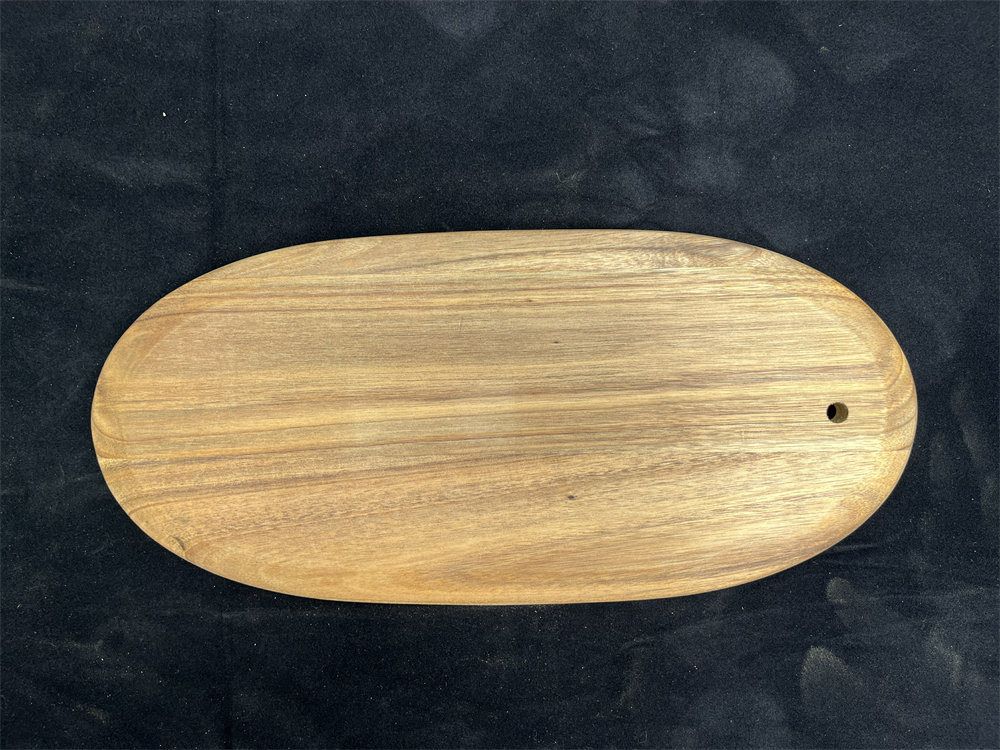
XINYILIN supplies food safe Wooden Cutting Board options designed for everyday prep and long-term use. You can browse styles and specifications in our wooden cutting board collection.
Raw meat can carry pathogens such as Salmonella, Campylobacter, and certain strains of E. coli, depending on the meat type and handling. The concern with any cutting board is transfer: bacteria from raw meat juices can move to hands, knives, countertops, or other foods. This is why raw meat prep needs a more disciplined routine than chopping vegetables or slicing bread.
Wood is porous, which means moisture can move into the grain and into knife marks. That sounds negative at first, but the practical safety outcome still depends on whether residue is removed and the board is dried fully. A damp board stored flat stays wet longer, which is the condition bacteria prefer. A clean board dried upright reduces that risk significantly.
Many kitchens use plastic boards for raw meat because they can be sanitized in a dishwasher and are easy to bleach. However, plastic also develops deep knife grooves that trap residue. Once grooves are deep, cleaning becomes less effective and the board should be replaced.
Wood boards can also develop knife marks, but they are commonly maintained through light sanding and regular conditioning, which restores a smoother surface and reduces water absorption. The best choice is the one you will maintain correctly and replace or resurface on time.
A wood board should not be your raw-meat surface when its condition prevents proper cleaning. If you see deep cracks, splits along glue lines, strong lingering odor that returns quickly, or heavy warping that keeps one side damp, it is safer to repair or replace the board. Raw meat prep needs a surface that can be scrubbed clean and dried completely every time.
Using a wood cutting board for raw meat is mainly about controlling time, moisture, and separation. A reliable workflow is simple but strict: prep, wash immediately, dry fully, and keep raw and ready-to-eat tasks separated.
These habits make the biggest difference:
Use a dedicated board for raw meat and poultry, separate from produce and ready-to-eat foods.
Wash the board promptly after raw prep with warm water and dish soap, scrubbing along the grain and into knife marks.
Rinse thoroughly, then dry with a clean towel.
Stand the board upright or on feet so both sides dry with airflow.
Clean the knife, hands, and nearby surfaces before touching other foods.
If you must use one board for everything, do raw meat last, then clean and dry fully before using it again. Do not move from raw meat directly to salad ingredients on the same surface.
For everyday raw meat use, soap-and-water cleaning plus thorough drying is the baseline. For higher-risk situations, you can add a sanitizing step that fits wood.
A practical approach:
After washing, apply a diluted sanitizing solution compatible with food-contact surfaces.
Let it sit briefly, then rinse and dry completely.
Avoid soaking the board for long periods. Long soaking increases swelling and can open the grain, making future staining and cracking more likely. Dishwashers are also a poor match for wood because repeated heat and water cycles can warp the board and shorten its service life.
Many people clean correctly but fail at drying. Drying is not only about preventing warping. Drying reduces moisture availability, which helps limit bacterial survival. Storing the board flat on a counter with one side blocked can keep the underside damp for hours. Standing the board upright and spacing it from the wall speeds drying and keeps odor from forming.
If your board has a juice groove, pay attention to it during cleaning and drying. Grooves can hold moisture if not scrubbed and wiped carefully.
A maintained board is easier to clean. Regular conditioning reduces water absorption and helps prevent micro-cracks where residue can cling. If the board feels fuzzy, looks chalky, or absorbs water immediately, it needs conditioning. If knife marks are deep enough to trap fibers or visible residue, light sanding restores a smoother surface.
A simple maintenance rhythm:
Condition with food-safe oil when the surface looks dry or water soaks in quickly.
Sand lightly when grooves become deep, then re-oil to restore protection.
Replace when structural damage appears or odor persists despite correct cleaning.
| Situation | Can You Use Wood For Raw Meat? | Best Practice |
|---|---|---|
| Board is smooth, clean, and dries fast | Yes | Dedicated raw-meat board, wash and dry immediately |
| Board has deep grooves but no cracks | Yes, with caution | Sand and re-condition, then separate raw and ready-to-eat tasks |
| Board has cracks, splits, or persistent odor | No | Repair or replace before raw meat use |
| You cannot dry the board fully after use | Not recommended | Switch to a setup that allows upright drying or use a separate surface |
You can cut raw meat on a wooden cutting board when you treat it as a controlled process: separate raw-meat use from ready-to-eat prep, wash promptly with soap and warm water, sanitize when needed, and dry the board completely with airflow. Board condition matters as much as cleaning. A smooth, well-maintained wooden board can be used safely, while a cracked, heavily worn board should be repaired or replaced before handling raw proteins.
If you are selecting boards for a kitchenware line, hospitality supply, or project specification, XINYILIN can support consistent sizing, wood selection, and finishing standards. Visit our wooden cutting board collection and share your target dimensions, preferred wood type, and usage scenario. If you have questions about care routines or product selection, contact us and we will provide practical guidance tailored to your needs.
Previous: