A Wooden Cutting Board is more than a surface for chopping. In real kitchens, it supports food preparation efficiency, protects knife edges, helps organize workflow, and improves hygiene routines when used correctly. Many buyers also select wood because it offers a stable, quiet working surface and a natural look that fits both home kitchens and professional prep spaces. This article explains what a wooden cutting board is used for, how different tasks affect the ideal board design, and what to consider when selecting boards for long-term use.
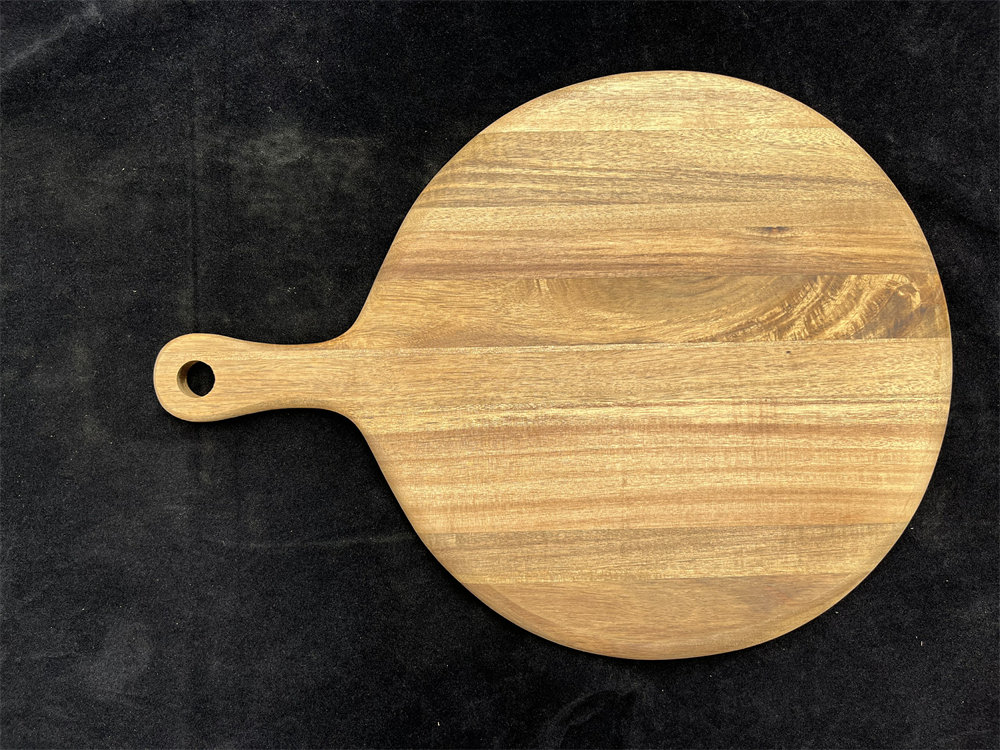
The primary use of a wooden cutting board is to provide a stable surface for cutting and prepping ingredients. A good board allows consistent knife control while preventing damage to countertops. Wood absorbs impact differently than glass or stone, giving a more forgiving cutting feel during repetitive tasks.
Common prep tasks include slicing vegetables, dicing onions, mincing herbs, portioning cooked meats, and trimming fruits. In these routines, the board becomes a working platform that helps keep cuts uniform and speed up preparation. A thicker wood board also reduces sliding and vibration, which supports safer knife handling.
wooden cutting boards are often chosen because they are gentler on knives compared with very hard surfaces. When a knife hits a rigid countertop or glass board, the edge can dull faster. Wood provides a softer, slightly resilient contact point, reducing harsh impact.
For frequent prep users, this translates into less time spent sharpening and more consistent cutting performance. This is one reason many kitchens prefer wooden cutting boards in everyday workflows, especially where knife quality matters.
Another practical use is countertop protection. Cutting directly on stone, quartz, or laminate can leave marks and create dull spots. A wooden board acts as a protective layer that absorbs scratches and small impacts.
It also helps with workspace control. A board can define a dedicated prep zone, keeping food scraps, moisture, and knife contact away from surrounding surfaces. This makes cleaning easier and reduces the chance of cross-contamination between prep and serving areas.
Wooden cutting boards are often used as part of a workflow system rather than a single tool. In many kitchens, different boards are assigned to different ingredient types to maintain a cleaner process. Even when using one board, a larger surface area gives room to separate raw items from finished cuts.
Practical workflow uses include:
Creating a prep lane for vegetables while keeping aromatics grouped
Setting aside trimmed pieces on one side and discard waste on another
Using multiple boards for raw protein and produce, then rotating them through cleaning
For buyers supplying a kitchen program, offering multiple sizes supports better separation and smoother prep operations.
A wooden cutting board is also widely used for serving. Its natural grain and warm color make it suitable for presenting bread, cheese, fruit, grilled items, and shared snacks. Many kitchens use the same board style for both prep and presentation, but it is best practice to keep a dedicated board for serving to avoid visible knife marks on a display piece.
For hospitality and food styling, boards with smooth finishing, rounded edges, and consistent color tone are often selected because they look cleaner on camera and in dining spaces.
Beyond general chopping, a wooden cutting board supports specialized tasks when designed with the right features.
Juice groove boards help capture liquids from fruits and cooked meats to keep the counter dry. Thick butcher-style boards provide mass and stability for heavy chopping. Boards with handles support quick transfer of chopped ingredients into pans. End-grain boards are often used for frequent chopping because the surface can stay smoother longer.
These functional differences explain why custom wooden cutting boards are common in kitchen supply programs, where thickness, groove design, and edge profile need to match actual usage.
Different environments tend to prioritize different board features. The table below shows how typical use cases map to board selection factors.
| Use Scenario | Typical Task Focus | Recommended Board Focus |
|---|---|---|
| Everyday home cooking | Mixed prep and general chopping | Medium thickness, easy maintenance |
| Frequent meal prep | High repetition slicing and dicing | Larger size, stable base |
| Meat and poultry prep | Trimming, portioning | Separate board, easy cleaning routine |
| Serving and display | Bread, cheese, snacks | Smooth finish, clean edge profile |
| Heavy chopping | Dense vegetables, repeated impact | Thicker board, strong stability |
This approach makes it easier to choose boards based on what they will actually be used for, rather than selecting only by appearance.
A wooden cutting board is used safely when cleaning and drying habits match the material. Wood should not be treated like plastic. Long soaking and dishwashers can stress the board and reduce its stability. The correct use routine includes washing quickly with mild soap, drying immediately, and storing upright so both sides dry evenly.
Routine conditioning with food-safe oil helps keep the surface balanced and reduces the chance of drying and cracking. In real kitchens, this maintenance step is part of using the board properly, not an optional extra.
When buyers evaluate wooden boards, they often focus on wood type, construction, and finishing consistency. A well-made board should have stable lamination, consistent thickness, smooth edges, and an even finish that supports oil absorption rather than sealing the surface unnaturally.
Many programs also request size variation and branding. For example, custom wooden cutting boards with specific dimensions, handle styles, or logo placement help match different kitchen layouts and retail needs. Material options such as acacia wood cutting boards and beech wood cutting boards are commonly selected because they balance durability, appearance, and supply consistency.
XINYILIN provides wooden cutting board options designed for reliable daily use and stable production standards. You can view our range on the wooden cutting board collection.
A wooden cutting board is used for more than cutting. It supports daily food preparation, protects knife edges, prevents countertop damage, improves workflow separation, and can also serve as a presentation board for casual dining. The best results come from choosing a board design that matches the tasks and using it with correct cleaning and conditioning habits.
If you need guidance on board sizing, wood options, or production specifications for your application, you can contact XINYILIN. Share your preferred dimensions and usage scenario, and we can provide practical recommendations and support for your selection.