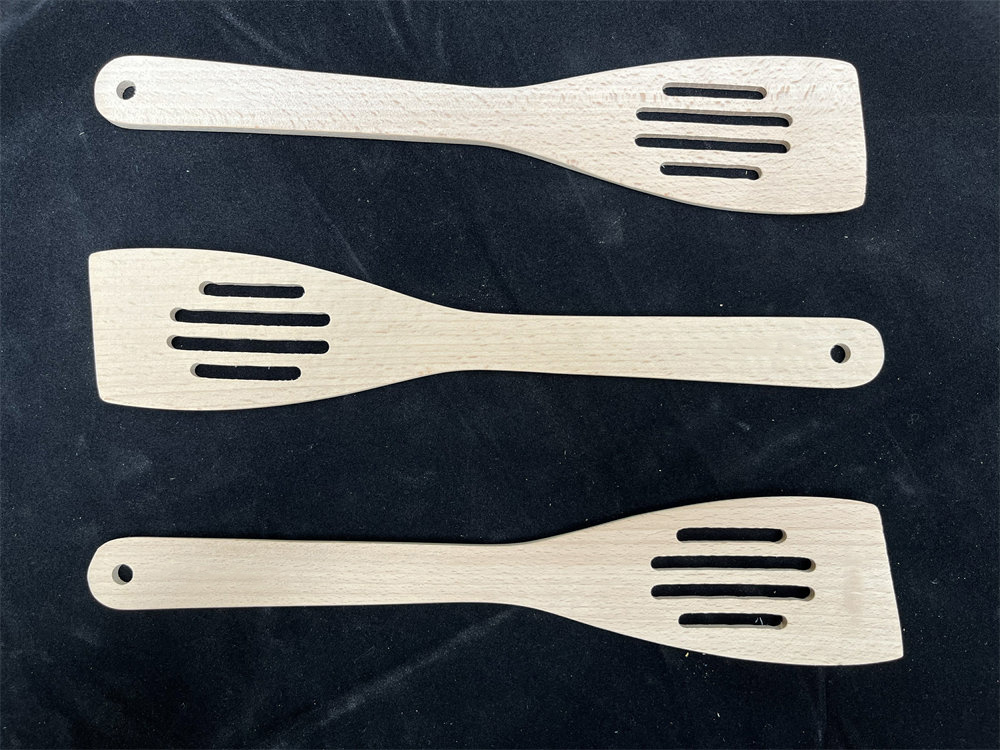
A wooden spatula is generally one of the best tools for a non stick pan because it is naturally gentle on coated surfaces. It can flip, stir, and scrape food without the sharp edges that can gouge or chip a non stick coating. That said, not every wooden spatula performs the same. The wood species, edge geometry, finish treatment, and daily care habits all affect how well it protects your cookware and how long the utensil stays hygienic and stable.
This article explains why wood works well with non stick pans, what limitations to watch for, how to choose the right wooden spatula for different cooking tasks, and how to maintain it so it stays clean and smooth. You can explore XINYILIN products on our wooden utensil page.
Non stick pans rely on a surface layer that reduces sticking and improves release. Even high-quality coatings can wear faster when metal tools are used because metal edges can create micro-scratches. Those scratches may not be obvious at first, but they can increase sticking over time and shorten the pan’s usable life. For this reason, cookware makers often recommend tools that are softer than the coating surface.
Wood is a practical choice because it has enough rigidity to move food effectively but is still softer than metal. When you slide a wooden spatula across the pan, the contact is usually smooth and low-impact, which helps preserve the coating. This is why many kitchens prefer wood for daily non stick cooking, especially for eggs, pancakes, delicate fish, and sauces that tend to stick when the surface becomes worn.
The benefit of a wooden spatula is not only that it is non-metal. It also tends to have rounded edges that do not dig into the coating. When turning food, a wooden edge glides under the surface layer rather than scraping aggressively. This reduces the risk of coating damage at the points where force is highest, such as when lifting browned proteins or moving sticky batter.
Wood is also stable under heat for typical stovetop use. It does not transfer heat the way metal does, so the handle remains more comfortable during longer cooking sessions. It also avoids the “hard tapping” effect that can happen when metal tools hit pan edges.
For everyday home cooking, these practical advantages make wood a safe, coating-friendly choice.
Wooden spatulas are excellent for coating protection, but they have limitations that matter for performance and hygiene. Wood is porous, which means it can absorb moisture and odors if it is left soaking or stored while damp. Over time, repeated exposure to water can raise the grain, making the surface feel rough. A rough surface can trap food residue and become harder to clean.
Wood can also warp or crack if it is exposed to extreme drying heat or long soaking. A warped edge becomes less precise for flipping, and a cracked utensil can harbor bacteria. These issues are not reasons to avoid wood, but they are reasons to choose good material and maintain it properly.
A durable wooden spatula is designed with stable wood selection and a smooth finish that reduces absorption and helps the utensil stay clean.
Different woods behave differently in a kitchen. Acacia is known for its density and natural oil content, which can help it resist moisture absorption and maintain a smooth surface feel. It often provides a solid, slightly heavier feel that works well for stirring and turning food without flexing too much.
Beech is widely used for kitchen utensils because it is strong, fine-grained, and stable when properly dried. Its tight grain can provide a smooth working edge that stays gentle on coatings. Beech also tends to machine cleanly, which helps produce consistent spatula shapes with refined edges.
In practical use, both Acacia and Beech can be excellent for non stick pans. The deciding factors are usually edge design and finish quality rather than the wood name alone. If you cook frequently and want better moisture resistance, Acacia is often preferred. If you want a clean, classic utensil feel with a smooth edge, Beech is a strong option.
The best wooden spatula for non stick cooking has a thin, smooth leading edge that can slide under food without forcing pressure into the coating. The edge should be refined rather than sharp. A slightly beveled profile helps lifting without scraping.
Thickness also matters. Too thick and it cannot get under delicate foods. Too thin and it may flex or chip. A well-balanced profile gives control without being aggressive to the pan surface.
Finish quality matters as well. A properly sanded and sealed surface reduces grain raising and makes cleaning easier. It also helps the utensil stay smooth, which is important for coating-friendly contact.
For kitchens that need consistent performance across multiple utensils, a custom Wooden Utensil option can align thickness, edge geometry, and handle style with the specific cookware and cooking habits of the end user.
A wooden spatula should be washed promptly and dried thoroughly. Avoid soaking it in water. Avoid dishwashers because long hot cycles can dry out wood unevenly and cause cracks. A gentle hand wash with mild soap is usually best.
After drying, occasional food-safe oil conditioning helps maintain the surface. Conditioning reduces dryness and helps keep the grain stable. This is especially useful for utensils used daily, because repeated washing gradually removes natural oils.
If a spatula begins to feel rough, light sanding with fine grit followed by oiling can restore smoothness. A smooth surface is not only more pleasant to use, it is also more hygienic because residue is less likely to cling.
| Utensil Material | Coating Safety | Cooking Feel | Maintenance Notes |
|---|---|---|---|
| Wood | Very gentle when smooth | Firm control, comfortable | Needs drying and occasional oiling |
| Silicone | Very gentle | Flexible for scraping bowls | Can feel too soft for flipping |
| Nylon | Generally safe | Medium stiffness | Can deform at high heat |
This comparison shows why wood remains popular: it combines coating safety with a firm, controlled feel, especially for flipping and stirring.
Wooden utensils match non stick cookware because they reduce coating wear and provide a natural cooking experience. They also look warm and professional in modern kitchens and open shelving layouts. For households that cook often, choosing well-made wooden utensils can be a practical investment because it helps extend the life of non stick pans while keeping cooking comfortable and controlled.
XINYILIN focuses on wooden utensil manufacturing with materials such as Acacia and Beech designed for daily kitchen use. You can explore our styles and options on the wooden utensil page, especially if you are selecting utensils for a consistent kitchen set.
A wooden spatula is a strong choice for non stick pans because it is gentle on coatings, provides firm control for flipping and stirring, and avoids the sharp abrasion that can shorten pan life. To get the best results, choose a spatula with a smooth beveled edge and stable wood such as Acacia or Beech, then maintain it with simple habits like hand washing, thorough drying, and occasional oiling. With the right selection and care, wood remains one of the most practical and durable utensil options for non stick cooking.
If you have questions about choosing the right wood type, edge design, or building a complete utensil set for your market, contact XINYILIN. You can browse our wooden utensil page and share your target cooking use and style preferences, and we can provide guidance and suitable product recommendations.