A wooden spatula can last for years when it is cared for correctly. Unlike metal tools, wood is naturally gentle on cookware and comfortable to hold, but it is also a living material with pores and grain. That means the way you wash, dry, and store it directly affects its smoothness, hygiene, and shape stability. The most common reasons wooden spatulas crack, warp, or smell are simple: soaking in water, going through a dishwasher cycle, or being stored while damp.
This guide explains how to take care of a wooden spatula in a practical, kitchen-friendly way. It covers daily cleaning, deep deodorizing, oil conditioning, how to fix roughness, and how to know when to replace a utensil. You can also browse XINYILIN products on our wooden utensil page.
Wood absorbs small amounts of moisture during use and washing, then releases that moisture as it dries. When this wet-dry cycle is gentle and consistent, the spatula stays stable. When the cycle is extreme, such as long soaking followed by heat drying, the wood fibers expand and shrink unevenly. That uneven movement is what causes warping, raised grain, and cracking.
Wood also reacts to oils and food acids. This is not a negative. It simply means the surface should be protected and maintained so the spatula stays smooth and easy to clean. A durable wooden spatula is not maintained by harsh sanitizers. It is maintained by controlled washing, thorough drying, and occasional conditioning that keeps the grain sealed and stable.
Daily cleaning is the foundation of care. Wash the spatula soon after cooking so oils and starches do not dry into the grain. Use warm water, mild dish soap, and a soft sponge or cloth. Scrub gently along the grain rather than aggressively across it. The goal is to remove residue without roughening the surface.
Rinse thoroughly, then wipe the spatula dry immediately with a towel. Do not leave it to air-dry while wet on a flat surface, because moisture can stay trapped on one side and cause the utensil to curve slightly over time. If you prefer air drying, stand it upright in a rack so both sides receive airflow evenly.
A dishwasher exposes wood to prolonged heat, strong detergent, and high-pressure spray. This combination strips natural oils and forces rapid expansion and contraction, which is why many Wooden Utensils turn fuzzy, pale, and cracked after repeated cycles.
Soaking is another common problem. Even a short soak can cause the wood to swell, especially at thin edges. The edge then dries unevenly and becomes rough. If food sticks, it is better to rinse with warm water for a brief moment and wash immediately, rather than leaving the utensil submerged.
These two habits alone determine whether your spatula lasts months or lasts years.
Odor usually forms when moisture remains trapped in the pores. After washing, drying quickly is essential. A towel wipe removes surface water, but airflow finishes the job by removing moisture inside the grain.
Store the spatula in a dry, ventilated place. Avoid closed drawers if the utensil is still slightly damp. Avoid storing it resting against a hot stove surface, because uneven heat can dry one side faster than the other and create a slow warp.
If your kitchen is humid, consider rotating utensils so the same one is not exposed to continuous moisture stress. This simple routine helps the tool stay stable and keeps it smelling clean.
Wood oiling is not about making the utensil look shiny. It is about reducing water absorption and keeping the surface sealed so it stays smooth. A food-safe mineral oil or a utensil-safe conditioning oil is typically used. Apply a small amount to a clean cloth, rub it over the spatula surface, and let it absorb. Then buff off any excess so the surface feels dry, not greasy.
The frequency depends on how often you wash the spatula. For daily use, conditioning every few weeks is often enough. If the wood starts to look dry, feels rough, or absorbs water quickly during washing, it is a sign it needs conditioning.
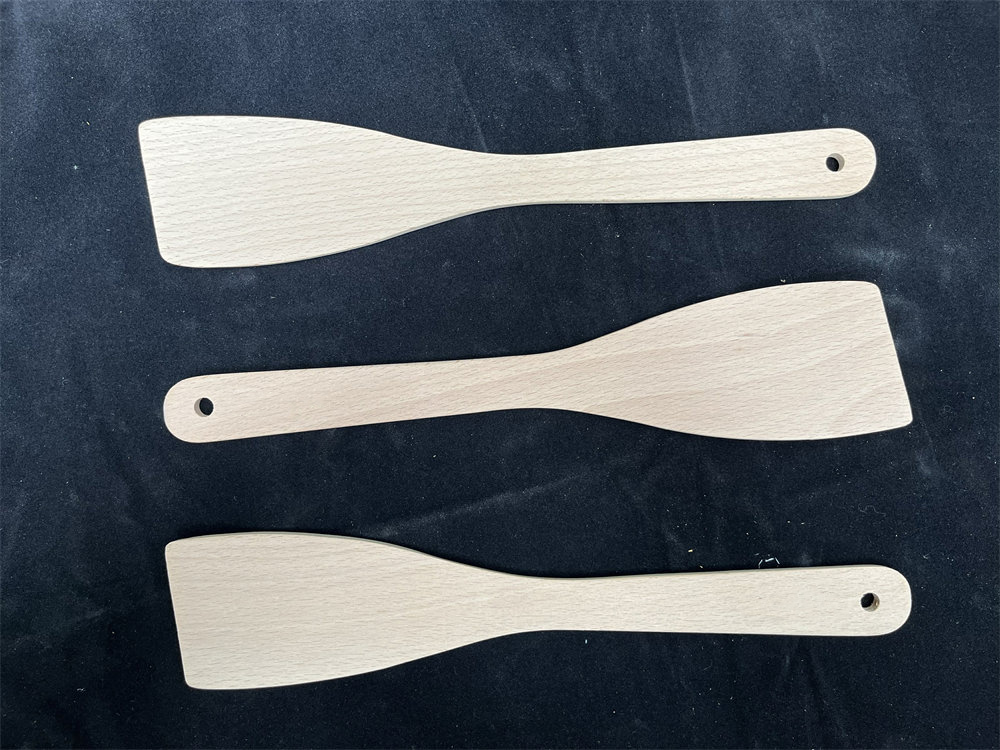
This is also where material selection matters. Many kitchens prefer Acacia for its density and natural moisture resistance, while Beech is valued for its smooth grain and stable feel when properly maintained. Both perform well when oil conditioning is done consistently.
If a wooden spatula picks up odor, the solution should be gentle. Avoid bleach or harsh disinfectants that can damage the wood fibers and create a lingering chemical smell.
A practical method is a baking soda paste. Lightly rub the paste along the grain, rinse thoroughly, and dry immediately. For stronger odors, a short vinegar-water wipe can help, but it should not be left soaking on the wood. The key is to rinse and dry quickly so the wood does not stay wet.
Deep cleaning should be occasional. Regular daily washing and drying prevent most odor issues from developing.
If the spatula feels fuzzy or rough, it usually means the grain has raised from moisture. Light sanding with a very fine grit can restore smoothness. Sand gently along the grain until the surface feels even, then wipe away dust and condition with oil. This process can extend the life of the utensil significantly and keeps it safe for nonstick cookware.
For small stains, spot cleaning followed by light sanding often works better than aggressive scrubbing. The goal is to maintain a smooth surface that resists buildup rather than trying to remove every color change. Some color variation is normal in natural wood and does not affect performance.
For those sourcing kitchen tools, this is why custom wooden utensils are often specified with refined sanding and consistent edge finishing, because a well-finished surface is easier to maintain from the start.
Most wooden spatula problems come from a few repeated habits. Leaving it in a sink overnight, running it through a dishwasher, using abrasive scouring pads, or storing it wet are the fastest ways to create cracks and odor.
Another overlooked mistake is exposing the utensil to direct high heat, such as resting it on a hot pan edge. Wood can dry unevenly and gradually deform. Keeping wood away from prolonged heat contact maintains its shape.
Avoiding these mistakes is more effective than any special cleaning method.
| Care Stage | What To Do | Practical Result |
|---|---|---|
| After each use | Wash with mild soap, rinse, towel dry | Prevents residue and odor |
| Weekly check | Ensure surface stays smooth and odor-free | Catches issues early |
| Every few weeks | Apply food-safe oil, buff dry | Reduces absorption and roughness |
| When roughness appears | Light sand along grain, then oil | Restores smooth, safe surface |
| If cracks form | Replace for hygiene and safety | Avoids bacteria trapping |
This schedule keeps maintenance simple while maximizing lifespan.
A well-cared wooden spatula is not only cleaner. It performs better. A smooth edge slides under food more easily, protects nonstick coatings, and prevents residue from sticking to the tool itself. A stable utensil also feels more controlled during stirring and flipping, which improves cooking comfort and reduces strain.
For households and professional kitchens alike, proper care turns wooden utensils into long-term tools rather than disposable items.
XINYILIN focuses on wooden utensil manufacturing designed for daily use. You can explore our options on the wooden utensil page if you are selecting utensils with stable materials and refined finishing for long-term performance.
Taking care of a wooden spatula is straightforward when the routine is consistent. Wash it promptly with mild soap, avoid soaking and dishwashers, dry it thoroughly, and store it with airflow. Condition the wood occasionally with a food-safe oil to reduce absorption and keep the surface smooth. If roughness appears, a light sand and re-oil can restore the finish and extend usability. With these practical steps, a wooden spatula remains hygienic, stable, and comfortable for everyday cooking.
If you have questions about wood types such as Acacia and Beech, finishing options, or building a utensil set that fits your market, contact XINYILIN. You can browse our wooden utensil page and share your usage needs, and our team can provide guidance and product recommendations.
Previous: