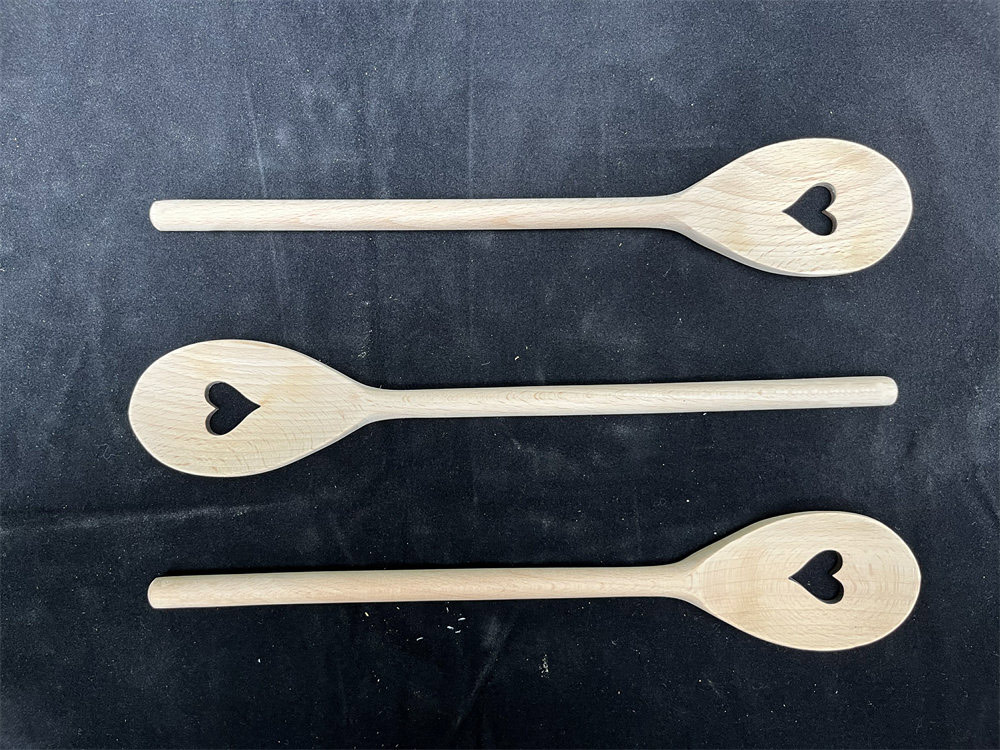
wooden spoons remain a favorite in kitchens because they are gentle on cookware, comfortable to hold, and well suited to daily stirring, mixing, scraping, and serving. They are especially valued in kitchens that use non-stick pans, coated cookware, and natural-material tableware. But unlike stainless steel tools, wooden spoons need the right cleaning routine to stay smooth, clean, and long-lasting. If they are washed carelessly, left wet for too long, or stored before fully drying, the surface can become rough, dull, stained, or develop odors over time.
For buyers, retailers, and kitchenware brands, this topic is also closely related to product quality. A well-made wooden spoon should not only look attractive when it is new, but also remain stable in everyday use with proper care. XINYILIN manufactures a wide range of wooden kitchen utensils, including spoons, spatulas, scrapers, rolling pins, honey dippers, and other kitchen tools, with more than 15 years of manufacturing experience in wooden kitchenware. This background matters because cleaning advice is more useful when it reflects how Wooden Utensils are actually made and used in real kitchens.
Wood is a natural material, so it reacts differently from metal or plastic when exposed to water, oil, heat, and repeated washing. A wooden spoon may look simple, but its structure includes natural grain and pores that can absorb moisture if the surface is not cleaned and dried correctly. That is why wooden utensils should be cleaned promptly after use instead of being left in a sink, soaking in water, or stored while still damp.
This does not make wooden spoons difficult to maintain. In fact, regular care is usually straightforward. The real goal is to clean the spoon thoroughly without overexposing it to water or harsh treatment. When that balance is handled well, a durable wooden spoon can stay in service for years while keeping its natural appearance and comfortable feel.
For normal daily use, the best method is still the simplest one. Wash the spoon by hand with warm or hot soapy water soon after cooking. This helps remove food residue, oil, sauce, and seasoning before they settle deeper into the surface. A soft sponge or dishcloth is usually enough for routine cleaning. If food has dried on the spoon, gentle rubbing under warm water is normally more effective than aggressive scraping.
After washing, rinse the spoon well so that no soap remains on the surface. Then dry it immediately with a clean towel and leave it in an airy space until fully dry. This drying step matters just as much as the washing step. A wooden spoon that looks clean but stays damp can still develop surface problems over time.
In home kitchens, this daily process is often enough to keep wooden spoons in good condition. In product terms, a practical wooden spoon should be easy to clean by hand, smooth on the surface, and well finished around the edges, since these details affect how easily food residue can be removed.
Many cleaning problems come not from too little washing, but from the wrong kind of washing. Wooden spoons should not be soaked in water for long periods. They should also not be left sitting in a pot, sink, or dishwasher after cooking. Extended moisture exposure can make the wood swell, weaken the finish, and increase the chance of cracking or roughness later.
Dishwashers are also not ideal for wooden utensils. High heat, long wash cycles, and forced drying can stress the wood repeatedly. Even if the spoon survives a few cycles without obvious damage, the surface may dry out faster, lose its smoothness, or become more likely to split with continued use.
Strong chemical cleaners are another poor match for wooden kitchen tools. For everyday food-contact utensils, mild dish soap and clean water are usually the better option. Overly harsh cleaning products are not necessary for normal kitchen care and may shorten the useful life of the utensil surface.
Sometimes a wooden spoon is clean but still carries a smell from garlic, onion, curry, tomato sauce, or other strongly flavored foods. In other cases, the spoon may develop visible staining after repeated use with oil-rich or deeply colored ingredients. This does not always mean the spoon is damaged, but it does mean it needs more than a quick rinse.
A gentle deep-cleaning routine can help. Wash the spoon thoroughly first, then rub the surface with a paste-like mixture made from common kitchen-safe cleaning ingredients used in gentle household care, or wipe it carefully with a cloth and let it sit briefly before rinsing again. The key point is not to oversaturate the wood. The goal is surface cleaning, followed by complete drying. Repeating this process occasionally is usually enough for spoons that pick up light odor or color residue in daily cooking.
If a stain remains but the spoon is still smooth, odor-free, and structurally sound, it may still be perfectly usable. Wood naturally changes a little over time, especially in busy kitchens. What matters more is whether the spoon remains clean, dry, and stable.
A lot of people focus only on how to wash wooden spoons, but drying is often the step that determines whether the utensil stays in good condition. Water left in the grain can slowly affect the surface texture and appearance. A spoon that is repeatedly washed but not fully dried may feel raised, fuzzy, or uneven after a period of use.
The best approach is to dry the spoon immediately with a clean cloth after rinsing, then place it somewhere with airflow instead of stacking it in a closed drawer right away. Once fully dry, it can be stored normally. In product design terms, this is one reason smooth finishing and balanced shaping matter. A well-finished spoon is easier to wipe dry and less likely to trap moisture at rough edges or poorly polished areas.
Cleaning and conditioning are not the same thing, but both are part of good care. After repeated washing, a wooden spoon may start to look dry or faded even though it is still clean. In that case, applying a light coat of food-grade mineral oil can help maintain the surface and reduce excessive dryness. The oil should be used only after the spoon is fully clean and fully dry.
A small amount is enough. Wipe it on lightly, allow the wood to absorb it, and remove any excess from the surface before storage. This should not turn the spoon greasy. The purpose is simply to support the wood surface so it stays smooth and better protected in everyday use. For premium kitchenware lines, this care step is often part of maintaining a custom wooden spoon collection that needs to keep a more refined natural finish over time.
Not all wooden spoons behave the same way after washing. The wood species, production method, sanding quality, and surface finishing all influence how easy the spoon is to clean and how well it holds up over time. A spoon with rough grain, uneven shaping, or weak finishing is more likely to trap food residue and show wear sooner.
XINYILIN offers wooden utensils in materials such as beech wood and acacia wood, with product options including long-handle spoons, scraper spoons, wok spatulas, silicone-handle combinations, and other kitchen tools. The company also states that it provides one-stop service from original product design through production and delivery. For buyers building a kitchenware range, that matters because cleaning performance is closely tied to manufacturing quality, not just to shape or price.
| Cleaning Step | Recommended Practice | Why It Matters |
|---|---|---|
| Daily washing | Hand wash with warm or hot soapy water | Removes food residue without over-stressing the wood |
| Rinsing | Rinse thoroughly with clean water | Prevents soap film from staying on the surface |
| Drying | Wipe dry immediately, then air dry fully | Helps prevent roughness, odor, and moisture retention |
| Deep cleaning | Use a gentle occasional odor or stain treatment | Helps refresh spoons used with strong ingredients |
| Conditioning | Apply food-grade mineral oil when the wood looks dry | Supports surface stability and appearance |
Even good care cannot make every wooden spoon last forever. If the utensil develops deep cracks, splinters, severe warping, or a persistent smell that does not improve after proper cleaning, replacement is the safer choice. The same is true if the surface becomes heavily worn and difficult to clean. These signs usually mean the spoon is no longer in its best condition for food-contact use.
For commercial kitchenware brands and import buyers, this is why material selection and finish control are important from the beginning. A spoon that starts with better shaping and smoother finishing is usually easier for end users to maintain properly.
Cleaning wooden spoons well is not complicated, but it does require the right routine. Prompt hand washing, careful rinsing, immediate drying, and occasional oiling will do far more for long-term performance than aggressive scrubbing or soaking ever will. When wooden spoons are cleaned properly, they stay more comfortable to use, better looking on the countertop, and more dependable in everyday cooking.
XINYILIN produces wooden kitchen utensils for customers who value natural materials, stable workmanship, and practical everyday performance. If you are sourcing wooden spoons, wooden utensil sets, or other wooden kitchenware and need product advice, customization support, or manufacturing guidance, contact XINYILIN for more details.
Previous: