
When searching for where to buy wood pallets, many buyers quickly realize that price alone does not solve the real problem. What matters more is consistency, material quality, and whether the product can actually fit your market. A wooden pallet used for kitchenware or serving purposes is very different from industrial transport pallets. It needs to look good, feel smooth, and perform well in daily use.
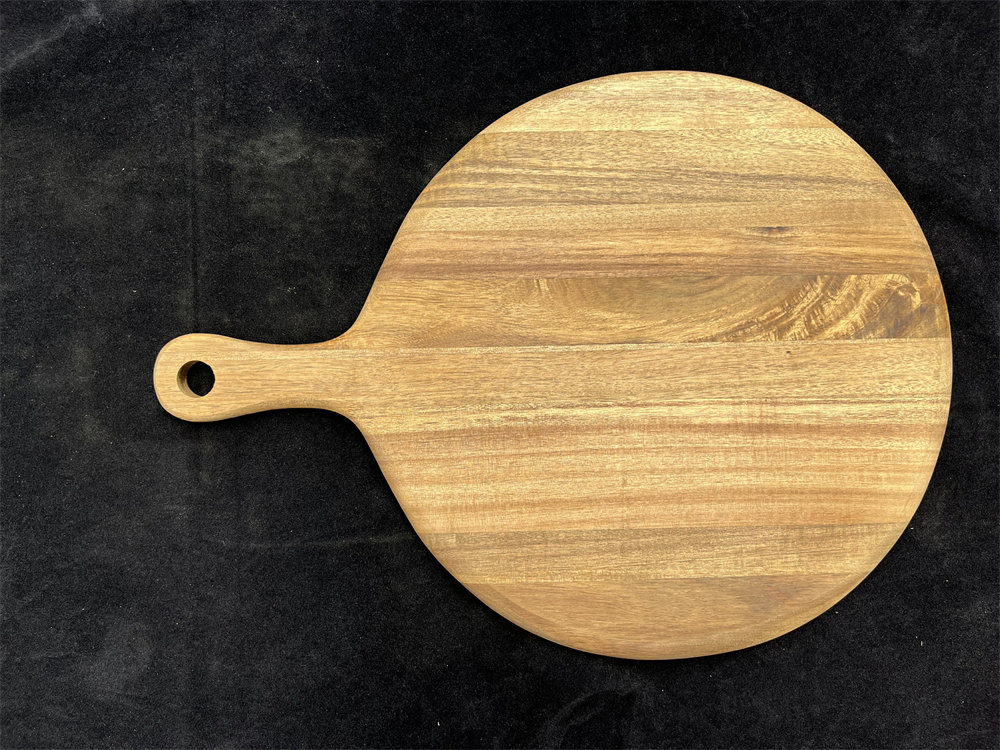
For buyers sourcing wooden boards for retail, hospitality, or bulk distribution, the focus is often on presentation as much as function. A well-made board should have a clean surface, stable structure, and natural grain that enhances the product’s overall appeal. This is especially true for larger-format boards with extended handles, which are commonly used for serving, display, or food preparation.
There are generally three common ways to buy wood pallets.
First, local distributors can provide quick access to stock products. This is convenient for small orders or urgent needs, but options are usually limited. Sizes, shapes, and finishes are often fixed, which makes it harder to build a differentiated product line.
Second, trading companies offer a wider range of products and can combine different categories into one shipment. However, they usually do not control production directly. This can lead to variation in quality, especially when orders are repeated.
Third, buying directly from a manufacturer gives more control over the product itself. Buyers can confirm material selection, adjust dimensions, refine shapes, and ensure that each batch meets the same standard. This approach is more suitable for businesses planning long-term supply or private label products.
A reliable supplier is not just someone who can ship goods, but someone who understands how the product is made.
Material is one of the first things to evaluate. Hardwood options with visible grain patterns are often preferred for kitchen boards because they balance durability with visual appeal. Boards made from this type of material tend to feel more solid and look more natural on the table.
Surface finishing is another key detail. A good wooden pallet should be smooth to the touch, with no rough edges or uneven coating. The finish should protect the surface while still keeping a natural appearance.
Shape and size also play an important role. Larger boards with a paddle-style handle are widely used because they offer more space for serving and a more recognizable design. They are easy to carry, easier to display, and often more attractive in product photos.
Many buyers underestimate how much design affects sales. A simple rectangular board may work, but a well-proportioned paddle board creates a stronger visual identity. It can be used for pizza, bread, cheese, or general presentation, making it more versatile across different markets.
The thickness and edge design also influence user experience. A board that is too thin may feel less durable, while one that is too heavy may be inconvenient to handle. A balanced design improves both usability and perceived value.
In addition, consistent color tone and grain pattern help products look more uniform in bulk orders. This is important for retailers and distributors who need products that look cohesive on shelves or in online listings.
Before deciding where to buy wood pallets, buyers should look beyond basic specifications.
Check whether the supplier can maintain consistent quality across multiple batches. This is more important than the initial sample. A good supplier should be able to reproduce the same size, finish, and overall appearance in every order.
Packaging should also be considered early. Proper packing protects the product during shipping and helps reduce damage. It also supports retail presentation if the product is sold directly to consumers.
Customization is another factor. Many buyers need logo marking, custom sizes, or specific packaging styles. A supplier that supports these adjustments makes it easier to adapt the product to different markets.
Lead time and communication are equally important. Clear timelines and responsive communication reduce uncertainty and help buyers plan inventory more effectively.
There is no single answer to where to buy wood pallets, but the right choice depends on your business goals.
If you need quick stock for short-term use, local suppliers may be enough. If you are testing new products, flexible sourcing channels can help reduce initial risk. But for stable supply, consistent quality, and product development, working directly with a manufacturer is usually the more reliable option.
This is particularly true for wooden boards designed for serving or presentation, where details like finish, shape, and material directly affect how the product is received by the market. A well-made board is not just functional, it becomes part of the overall product experience.
Where to buy wood pallets is ultimately about finding a supplier that can deliver both quality and consistency. Buyers should focus on material, design, finishing, and the ability to support repeat orders, rather than choosing based only on price.
For those sourcing wooden boards for kitchen or serving use, selecting the right size, shape, and finish can make a noticeable difference in how the product performs in the market. A carefully made board with a natural wood texture and practical design is easier to sell and easier to reorder.
If you are exploring options and need guidance on sizes, materials, or bulk purchasing details, you can reach out to us for support. We can help you evaluate product specifications and suggest suitable solutions based on your target market.
Previous: Where To Sell Wood Pallets