If you are trying to figure out where to sell wood pallets, the first thing to do is define what kind of product you are really selling. In many cases, buyers do not mean heavy logistics pallets. They are looking for wooden boards used for bread, serving, display, and kitchen presentation. That changes the selling logic completely. The product is no longer just a wood item. It becomes part of home living, food presentation, retail display, and even hospitality use.
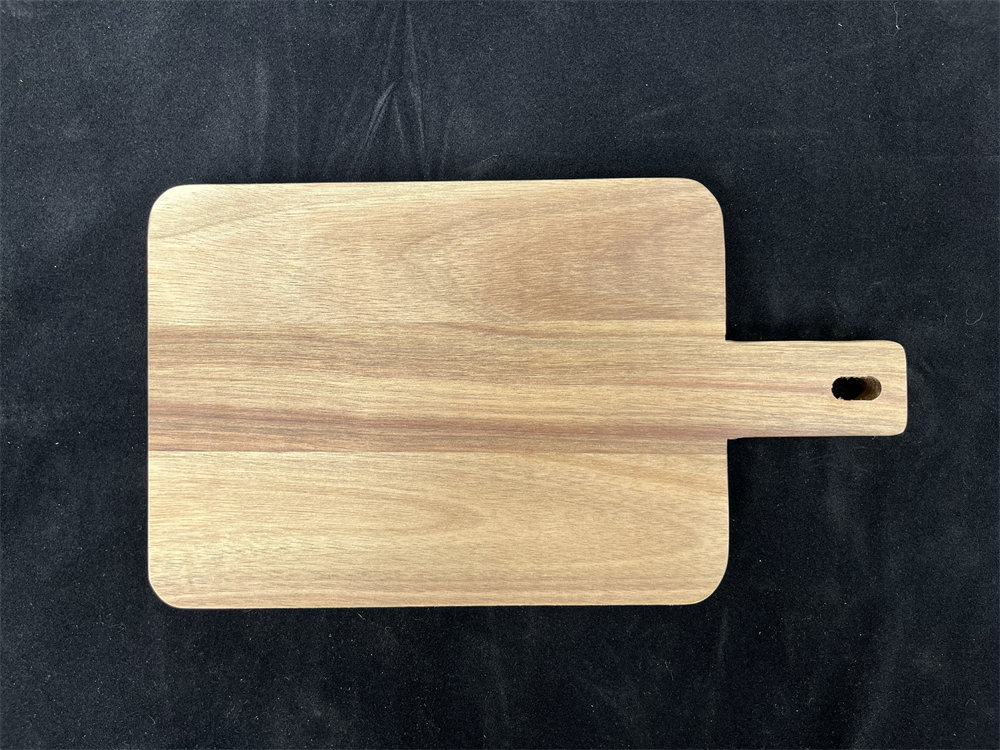
That is why the best sales channels are not always the broadest ones. The right market is the one that values natural wood texture, practical sizing, and a clean product shape. A solid wood bread board with a simple rectangular form, a comfortable handle, and a natural finish is easy to place in different sales scenes because it is useful, easy to understand, and visually warm. It can be sold as a kitchen tool, a serving piece, a display board, or a giftable home product.
Before choosing where to sell wood pallets, it helps to position the product correctly. A wood bread board is not only for cutting bread. In many markets, the same product can also be used for pastry display, breakfast service, snack presentation, countertop styling, and food photography. That wider use is what gives the product stronger selling potential.
Products with natural acacia texture often perform well because customers respond to materials that look real and durable. A board with a whole wood structure, smooth chamfered edges, and a balanced handle shape naturally fits modern home and kitchen trends. It does not need complicated selling language. Buyers can understand it quickly from the picture alone, which is important in both online and offline sales.
This also means that selling success depends on how the product is presented. Instead of focusing only on wood as a material, sellers should highlight use scenarios. A bread board that works for serving, slicing, and display is much easier to market than one described only by dimensions.
Online retail platforms are one of the most direct answers to where to sell wood pallets. They give access to customers already searching for kitchenware, wooden home goods, and serving accessories. This channel works especially well for products with a clear appearance and broad household use.
The advantage of online selling is visual efficiency. A bread board with a natural color tone, a clean rectangular layout, and a handle is easy to photograph. It works well in styled kitchen scenes, bakery settings, and table arrangements. Good images can immediately show scale, texture, and use, which helps conversion.
But this channel is also competitive. Similar-looking products are everywhere, so product detail matters. Surface finish, edge processing, and size balance can influence whether the item feels basic or premium. Even small differences in shape or finish can change how customers perceive value. That is why online sellers need stable supply and consistent repeat quality. If the first batch looks different from the second batch, reviews and repeat orders can be affected.
Another practical place to sell wood pallets is through homeware stores and kitchen product retailers. These buyers usually look for products that are easy to display and easy to explain to end customers. Wooden bread boards fit well because they combine daily function with decorative value.
In physical retail, the product has to look attractive on the shelf. A natural acacia board stands out because the wood grain gives each piece a slightly different look while still keeping the overall line consistent. Customers often pick up this kind of product because it feels solid, warm, and more personal than plastic alternatives.
Retailers also like products that can sit in more than one category. A bread board can be placed in the kitchen tools area, in the serving section, or in seasonal gift displays. This flexibility gives stores more options and makes the item easier to test in different layouts.
For bakeries, cafes, and specialty food shops, wood pallets in this product category are not just tools. They are display pieces. Bread, pastries, and baked snacks often look better when shown on solid wood rather than metal or plastic surfaces. That makes bakeries a strong sales channel for this type of product.
A bread board with a stable thickness and handle is especially useful in this market because it supports both back-of-counter use and customer-facing presentation. It can be used to move bread, arrange products, or build a more natural visual setting. This is valuable for stores that want their display to feel warm and handcrafted.
Food display buyers usually care about practicality as much as appearance. They want a board that is easy to carry, easy to wipe down, and reliable in daily service. A product with smooth edges and a waterproof or stain-resistant finish is easier to place in this channel because it fits real operating needs.
Restaurants, boutique hotels, and hospitality suppliers are also worth considering when thinking about where to sell wood pallets. In these settings, the product is often used for bread service, appetizer presentation, room dining, or buffet arrangement.
This market responds well to products that look refined without being overly complicated. A simple wood bread board with a natural finish works because it supports a clean table presentation. It helps food feel more elevated while still looking relaxed and approachable.
Hospitality buyers usually prefer products that match more than one interior style. Natural wood does this well. It can work in modern, rustic, minimalist, or casual dining environments. That broad compatibility makes it easier for distributors and project suppliers to include wood bread boards in their catalog.
Gift channels are often overlooked, but they can be a very strong place to sell wood pallets. A well-made bread board already has several qualities that gift buyers want. It is practical, attractive, and easy to pair with other food or kitchen items.
Seasonal gift collections often look for products that feel natural and useful rather than overly technical. A wooden board can be sold alone or combined with bread knives, pastries, cheese tools, or table accessories. Its value increases when it is presented as part of a lifestyle set rather than a single item.
This market also responds well to packaging. If the product can be packed cleanly in an inner box and protected for transport, it becomes easier for retailers and gift sellers to adopt. Presentation matters here, but reliability matters too. No gift seller wants a product that arrives damaged or inconsistent in finish.
Wholesale remains one of the most stable channels for wood bread boards. Importers, chain retailers, and sourcing companies often want products that can be reordered in batches with the same shape, surface treatment, and packing structure.
This is where supplier strength becomes important. Wholesale buyers are not only purchasing one design. They are purchasing consistency. If the board dimensions, natural finish, and edge quality remain stable from order to order, the product becomes easier to scale across different markets.
Private label buyers may also want small adjustments such as logo marking, packaging changes, or finish preferences. A product with a straightforward design is easier to customize without changing its core appeal. That makes it suitable for buyers who want to build their own kitchenware line around natural wood products.
Not every channel fits every wooden product. The best place to sell depends on what the board offers in real use.
A rectangular bread board with a handle is easier to place in bakery and food presentation channels because the shape is practical and familiar. A natural acacia appearance makes it stronger in homeware and gift markets because people are drawn to the warmth of the material. A whole wood structure and smooth edge treatment make it more convincing in wholesale and hospitality supply because buyers want products that feel dependable over time.
The surface treatment also influences the sales path. A board finished with lacquer or edible grade oil is easier to position in kitchen and dining contexts because customers care about daily maintenance, stain resistance, and user comfort. These details may seem small, but they often determine whether the product feels ready for market.
A common mistake is trying to sell this kind of product too broadly without defining the end use. When the product is marketed to everyone, it usually connects with no one. The better approach is to build a clear sales angle for each channel.
Another mistake is treating the product like a generic wood board. In real selling, buyers respond to use value. They want to know whether the board works for bread service, display, kitchen prep, or tabletop presentation. The clearer the use case, the easier the sale becomes.
It is also important not to overlook consistency. In wood products, variation is natural, but poor finishing, rough edges, or unstable packaging can make even a good design harder to sell. Strong product basics support stronger market results.
Where to sell wood pallets depends on how you position the product and which buyers value its strengths. For bread-board style wood products, the strongest channels are usually online kitchenware retail, homeware stores, bakeries, hospitality supply, gift markets, and wholesale distribution. Each of these markets values natural material, simple design, and everyday usefulness in a slightly different way.
A solid wood bread board is easier to sell when it is presented as part of a real lifestyle scene rather than just a wood item. Buyers want products that look natural, work smoothly, and fit different settings from kitchen counters to bakery displays.
If you are planning to source or expand this category and want help choosing the right product direction, feel free to contact us. We can help you review size, finish, packaging, and order planning, and offer practical guidance for your market and sales channel.
Previous: