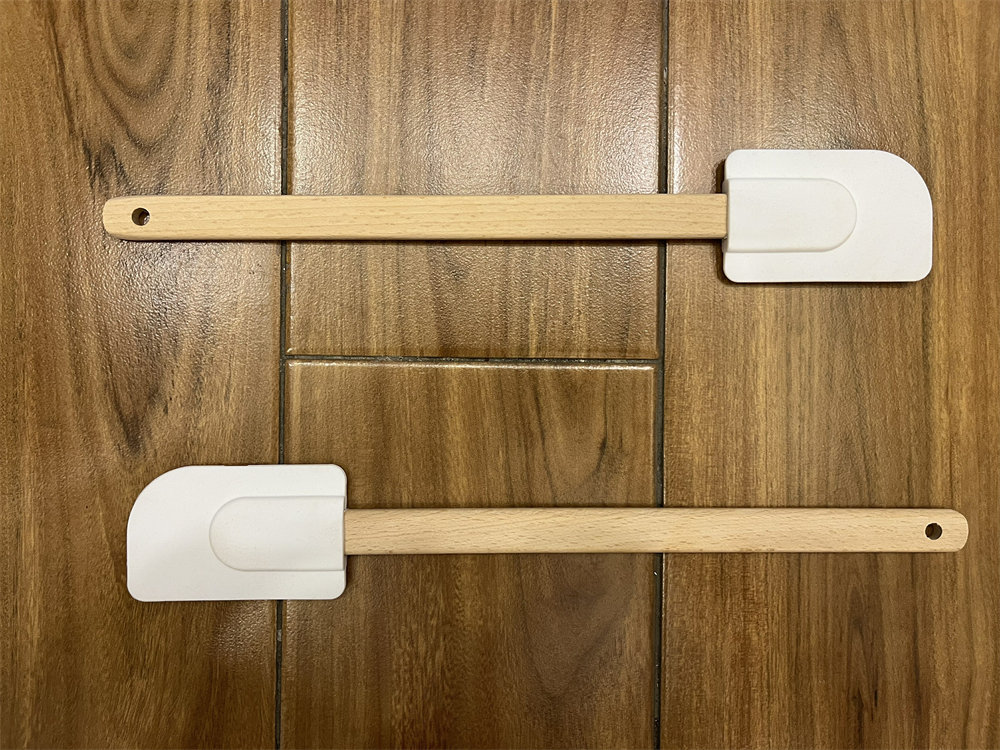
Yes, silicone spatulas are generally safe when they are made with food-grade silicone and designed for kitchen use. However, the real concern behind this question is not just the material itself, but how the product performs under heat, repeated use, and food contact conditions. That is where a silicone spatula with a wooden handle becomes relevant. This type of utensil combines a heat-resistant silicone head with a stable beech wood handle, creating a balanced tool for both cooking and mixing tasks.
A silicone spatula is considered safe when the silicone used meets food-contact standards and maintains stability during cooking. Food-grade silicone is designed to resist chemical changes under heat and does not easily release unwanted substances into food. In practical use, safety also depends on how the spatula performs during stirring, scraping, and mixing. A well-designed silicone head should remain flexible but stable, allowing consistent control without breaking down under repeated use.
One of the main reasons silicone spatulas are widely used is their ability to handle high temperatures. A properly made silicone spatula can typically withstand temperatures between 220°C and 250°C without melting or deforming. This makes it suitable for tasks such as mixing hot batter, stirring sauces, or scraping pans. However, heat resistance only works when the silicone quality is consistent. Lower-grade materials may soften or degrade faster, which is why product specification matters when sourcing.
The addition of a beech wood handle changes how the product performs in daily use. While the silicone head handles heat and food contact, the wooden handle provides a stable grip and a more controlled feel during cooking. Beech wood is commonly chosen because it offers good durability and a balanced structure, making it suitable for repeated handling. It also gives the product a more natural appearance, which is often preferred in modern kitchenware collections.
From a sourcing perspective, this combination also improves product positioning. Buyers are not only looking for a functional spatula. They are also looking for a product that feels reliable in hand and fits into a consistent kitchenware style.
Another important aspect of safety is how the spatula interacts with cookware. Silicone spatulas are known for being non-scratch, which means they can be used with non-stick pans, ceramic coatings, and other sensitive surfaces. The softness of the silicone head allows it to adapt to the surface without causing damage, while still providing enough strength for mixing and scraping.
This makes silicone spatulas a practical choice for both home kitchens and professional environments where cookware protection is important.
For wholesalers, retailers, and private label buyers, safety is not only a product feature. It is also a business consideration. Customers expect kitchen tools to be reliable, safe for food contact, and suitable for everyday use. If a spatula fails under heat or shows signs of material instability, it can quickly lead to complaints and reduced customer trust.
That is why clear material information, heat resistance range, and consistent manufacturing quality are important when selecting products. A silicone spatula with a wooden handle offers a balanced solution by combining durability, usability, and a clean product appearance.
So, are silicone spatula safe? Yes, when they are made from food-grade silicone and designed for real kitchen conditions, they are a safe and reliable choice. A silicone spatula with a wooden handle adds further value by improving grip, stability, and overall user experience.
For buyers comparing kitchen utensils, the key is not just choosing silicone, but choosing the right combination of materials and construction. If you are evaluating silicone spatulas for retail, bulk orders, or product development, feel free to contact us. We can help you review specifications and select options that match your market needs.
Previous: