A round Wooden Cutting Board may look simple, but for importers, retailers, kitchenware brands, and hospitality buyers, the selection process is more detailed than it seems. The right board needs to look good on the shelf, work well in the kitchen, and stay consistent across bulk orders. If the wood is unstable, the finish is rough, or the size does not fit the intended use, the product quickly becomes difficult to sell.
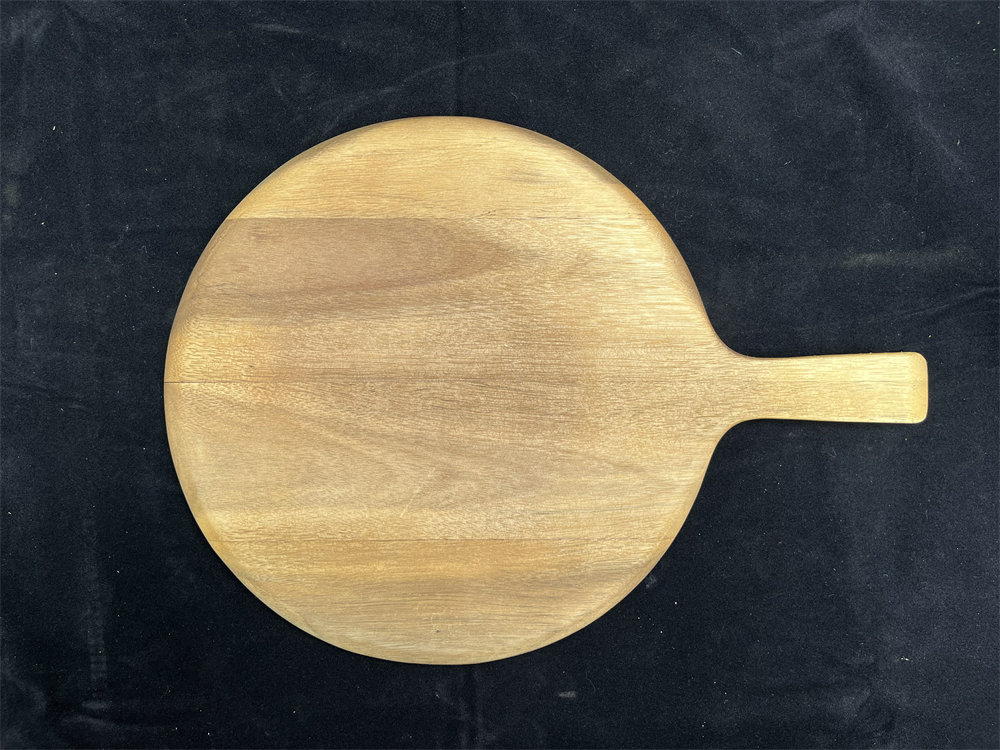
That is why buyers usually look beyond shape alone. They want to know what wood is used, how the board is finished, whether it suits both cutting and serving, and whether the supplier can support custom needs. Our round acacia board with handle is made for this type of demand. It combines a classic round shape, a practical handle, and a size that works well in both food preparation and food presentation.
The first step is to decide how the board will actually be used. Some buyers need a board mainly for kitchen cutting. Others want a serving piece for restaurants, cafés, or gift channels. Some want one board that can do both.
A round board with a handle is often chosen because it fits several uses at once. It can work as a cutting board, a serving board, and a display board for pizza, bread, cheese, and snacks. That flexibility is valuable in retail and wholesale because one design can serve more than one customer group. Our board is especially suitable for restaurant and café use, which makes it easier for buyers to position it in practical food-service settings as well as home kitchen markets.
Wood type matters a lot. The wrong material can affect durability, appearance, and maintenance. Buyers usually prefer wood that looks natural, feels smooth, and performs well in regular use.
Acacia is a strong option because it has an attractive grain and good natural resistance to moisture. That makes it suitable for boards used around bread, pizza, fruit, and other everyday food items. Our board is made from acacia wood, which gives it a warm natural look and helps it fit both kitchen and serving applications. For B2B buyers, this matters because material quality is one of the first things end customers notice.
A round cutting board should match the food and the setting it is meant for. If the board is too small, it limits serving use. If it is too large, it may become harder to store, package, or display.
Our board measures 38 cm in diameter with a 1.3 cm thickness, which gives it a balanced size for both preparation and presentation. That size works well for pizza service, bread presentation, and casual table display. This is also why a round handled board is often searched as a wooden pizza cutting board. Buyers are not only looking for a surface to cut on. They also want a board that looks suitable for direct serving in restaurants, cafés, and retail gift programs.
The finish affects both appearance and user experience. A rough board can feel cheap and may lead to complaints. A clean finish makes the board easier to present and more comfortable to use.
Our board is available with lacquer or edible-grade oil finish. This gives buyers more flexibility depending on the market they serve. Some customers prefer a more protected surface for retail presentation, while others prefer a more natural finish for kitchenware collections. For wholesale buyers, finish options are important because they help the same product fit different sales channels.
A round wooden board with a handle is not only a kitchen tool. It is also a display item. In restaurants and cafés, boards like this help present pizza, bread, desserts, and sharing platters in a more natural and appealing way. In retail, the same product can be sold as a gift item, a home kitchen board, or a serving accessory.
This broader use matters for buyers because it creates more room for sales. A product that works in both food service and home use is easier to promote than one with only a single narrow purpose. Our board is positioned well for these mixed-use markets, especially for buyers who want a product that can move across hospitality, homeware, and gift channels.
For B2B buyers, product choice is not only about one sample. It is about whether the item works well in quantity. Packaging, lead time, and minimum order quantity all affect the final decision.
Our board is packed with poly bag, inner box, and export carton, which is practical for shipping and bulk handling. The MOQ is 300 sets, and the listed lead time is 30 to 35 days. For importers and distributors, these points matter because they shape stocking plans, seasonal purchasing, and project timing. A board that looks good but cannot be supplied steadily is much harder to build into a long-term business.
Many buyers do not want a fully standard product. They may need a different surface finish, a logo, a private label package, or other small adjustments that help the board fit their market better.
That is why supplier flexibility matters. A supplier that can work with OEM and ODM needs is often easier to cooperate with over time. In wooden kitchenware, custom work is common because buyers often want collections that match their own brand style. When that support is available from the start, it becomes easier to plan product development and reduce sourcing risk later.
A good cutting board should also be easy to maintain. Buyers often ask about cleaning because poor care instructions can lead to customer dissatisfaction later. Wooden boards should be cleaned gently and maintained with proper oil to help preserve the surface.
Our board is designed for simple hand rinsing, and mineral oil can be used to help maintain the surface. For retail and hospitality buyers, this is useful because it gives them a straightforward care message to pass on to end users.
To select a round wooden cutting board well, buyers need to look at use, wood species, size, finish, supply practicality, and brand flexibility together. A board that looks attractive but lacks stable material, practical sizing, or reliable supply can quickly become a weak product in the market.
Our acacia round board with handle is made for buyers who want a practical piece for cutting, serving, and display. It suits restaurant use, café presentation, and home kitchen sales while still offering room for custom development. If you are planning a new kitchenware order and want help choosing the right size, finish, or private label direction, contact us. We can help you review your needs and suggest a more suitable option for your market.
Previous: How to Make Meat More Tender Before Cooking?
Next: Are Wooden Spoons Made?